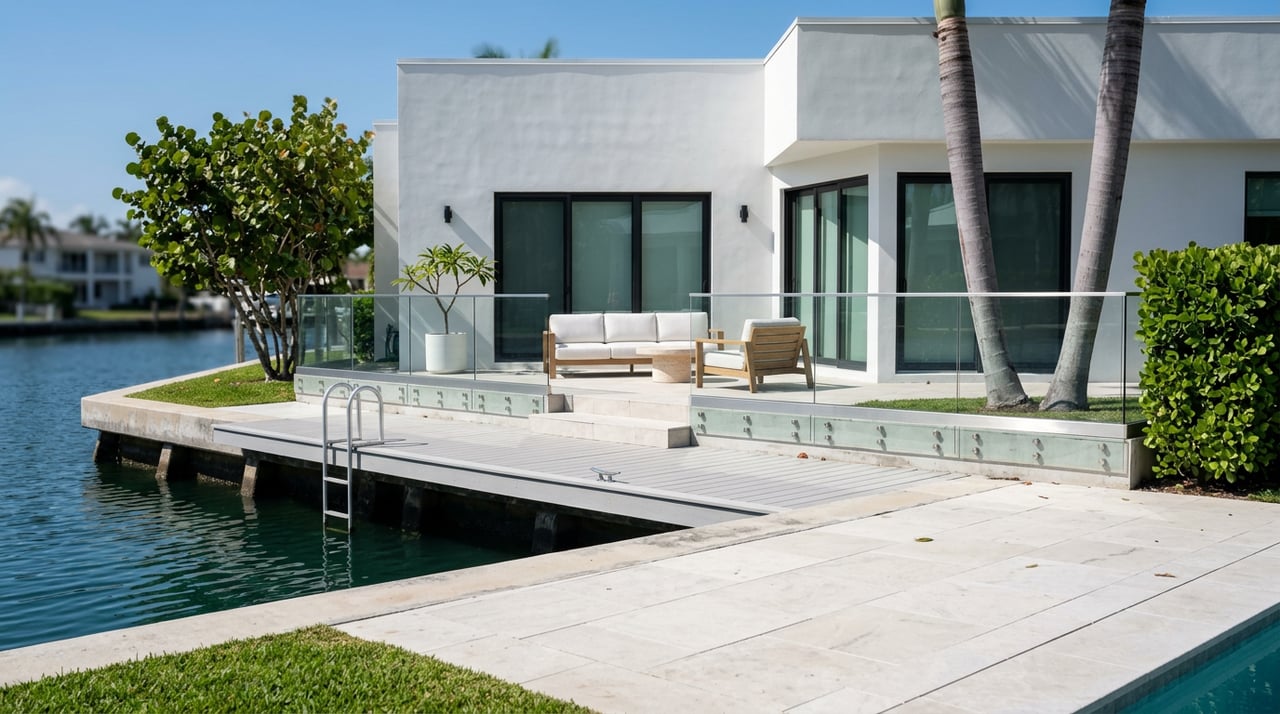
Choosing between a waterfront home and an interior address in Bay Harbor Islands can feel like picking between two great lifestyles. You might picture sunrise coffee on a dock, or easy walks to Kane Concourse for dinner. Both options offer real advantages, but the costs, rules, and daily routine are different. In this guide, you’ll compare access, maintenance, insurance, and price signals so you can choose with confidence. Let’s dive in.
Where homes sit on the islands
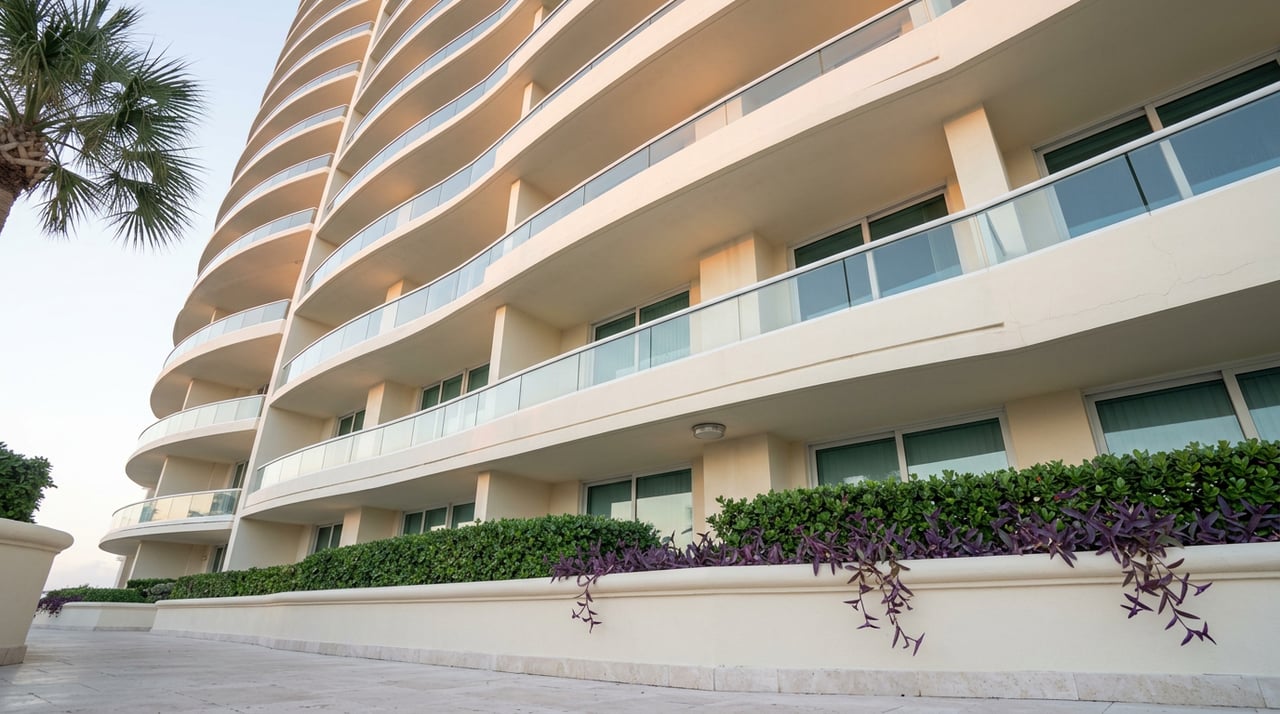
Bay Harbor Islands is a compact town made up of two linked islands in Miami‑Dade County. The West Island (historically Broadview) holds most single‑family waterfront lots, while the East Island (Bay Harbor) includes Kane Concourse, many mid‑rise condos, and community services. That simple split is what people usually mean by “waterfront” vs “interior.” You can read more about the town’s layout in the Bay Harbor Islands overview.
Price signals you can trust
Bay Harbor Islands is tiny, about 0.4 square miles, and sales volume is low. One or two trophy waterfront sales can swing the median dramatically, especially when data mixes condos with single‑family homes. Always compare like for like by property type and time window.
- Aggregator snapshots reported a “typical” home value in the high‑$600k range in 2025. Source note: Zillow, 2025 snapshot of 33154 submarket mix.
- A Q1‑2025 median around $630k was published for the area when condos and single‑family were combined. Source note: PropertyShark, Q1‑2025.
- Miami Realtors’ local data shows that single‑family medians can jump into the millions when the few closed sales include waterfront estates. That highlights how sensitive this micro‑market is to small samples. You can review the methodology context in the Miami Realtors local metrics.
To understand the scale of the spread, consider these closed examples: a West Broadview waterfront estate closed around $12.65 million in May 2025, and another waterfront sale closed about $8.36 million in April 2025. Meanwhile, an interior Kane Concourse condo sold for about $525k in mid‑2025. These are illustrative only, but they explain why you should segment comps by property type and location rather than rely on a single citywide median.
Lifestyle tradeoffs that matter
Boating and open‑water access
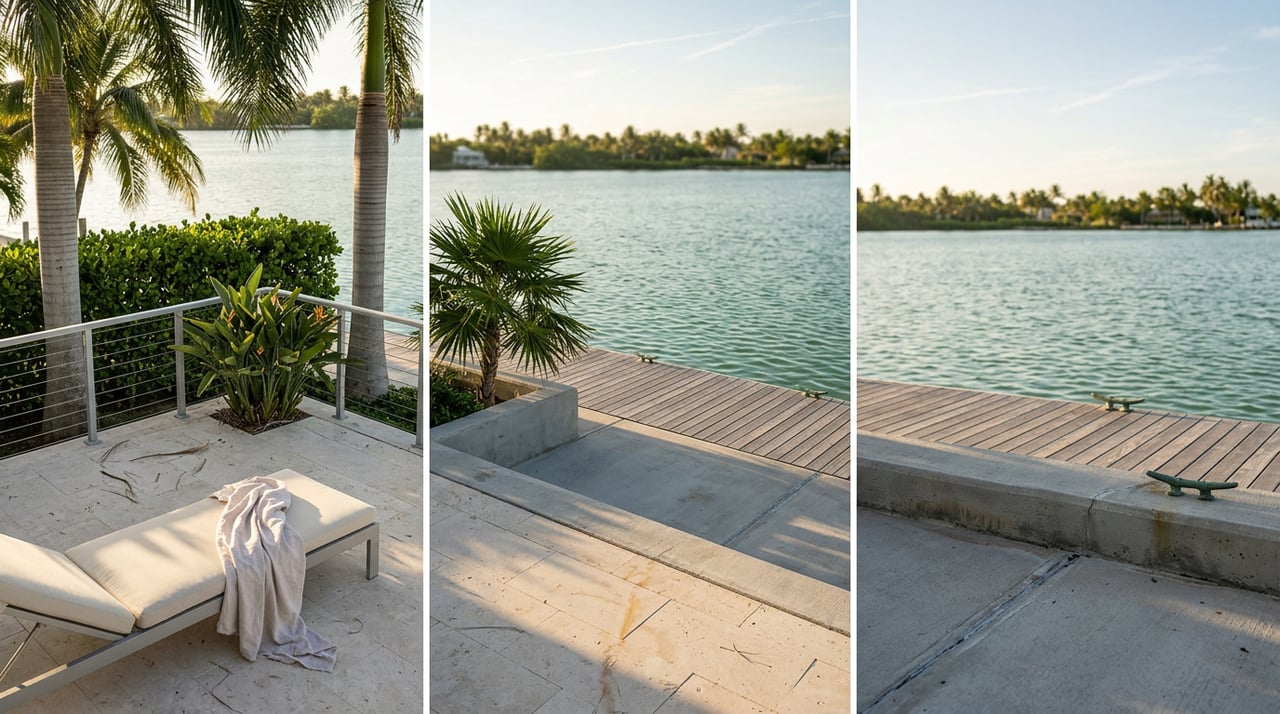
- Waterfront: You can step from your yard to your boat, but local dock and mooring rules limit how far docks and vessels can extend beyond the seawall. The Town limits docks to a maximum of 25 feet beyond the seawall cap in most areas, with shorter limits in the Bay Harbor Waterway. Mooring piles are generally capped at 40 feet (30 feet in the Waterway), and no vessel may extend more than 30 feet beyond the cap in the Waterway. Review the Town’s ordinance for specifics in Ordinance No. 991.
- Interior: You trade the private dock for less waterfront maintenance. If you still want boating, you can keep a slip at a nearby marina and drive or rideshare. This setup works well if you boat occasionally or prefer a lower‑maintenance home base.
Bridge and channel constraints also shape your boating choices. The Broad Causeway bascule has a reported center clearance around 16 feet when closed, and other nearby fixed spans can be lower, which affects air draft for certain vessels. You can confirm clearances and depths in the NOAA U.S. Coast Pilot for Biscayne Bay here.
Views, privacy, and noise
- Waterfront: Expect sweeping bay or canal views and outdoor living that centers on terraces, pools, and docks. You may have less yard privacy from the water side, and boat traffic can add ambient noise and wake.
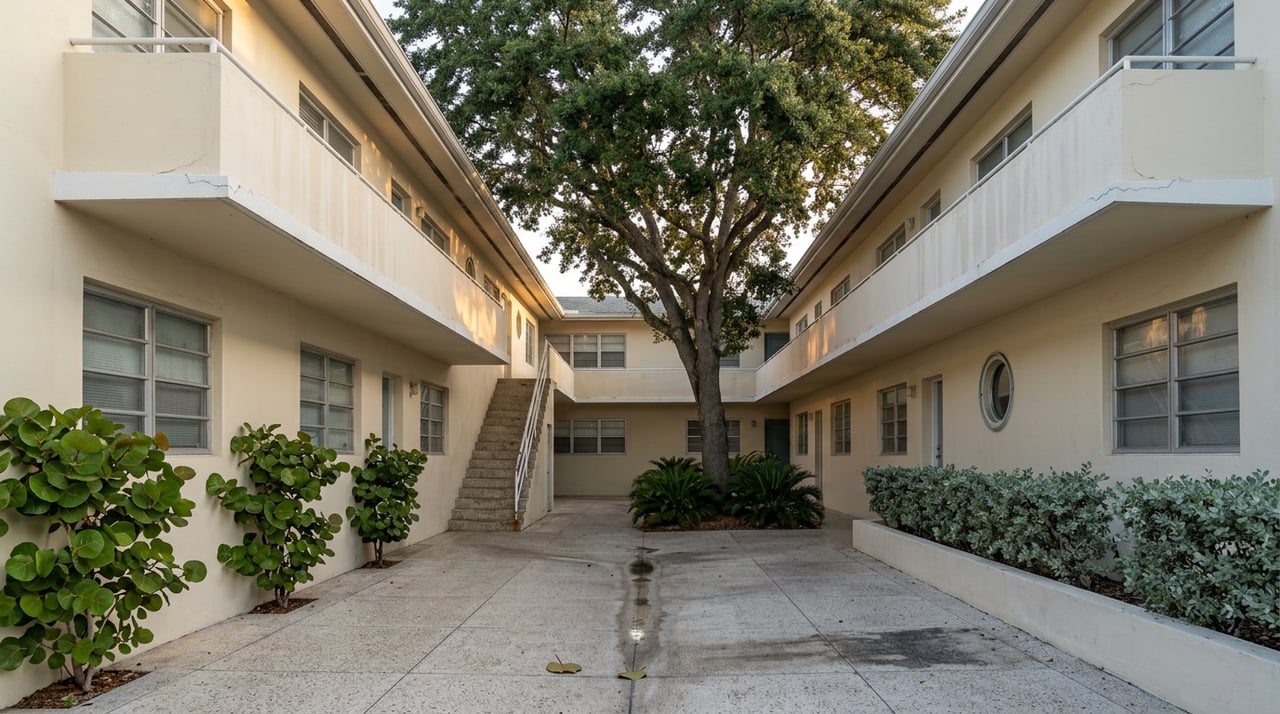
- Interior: You’ll often gain more yard privacy and a quieter street setting. Many interior addresses sit closer to shops and services, which may fit a walk‑everywhere routine.
Walkability and everyday convenience
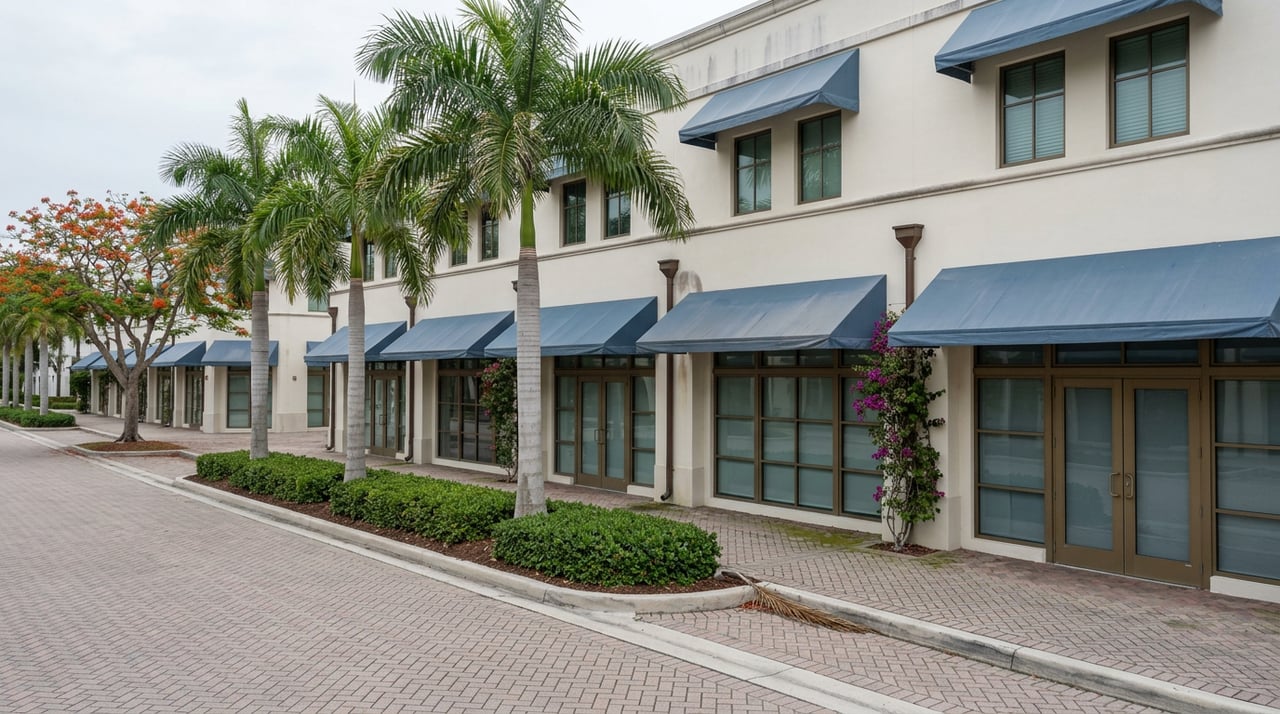
Bay Harbor Islands is compact, and many homes are only a short walk or drive from Kane Concourse, Bal Harbour Shops, and the beach. Interior condos on or near Kane Concourse tend to be the most walkable to restaurants and daily services. The town overview is a helpful starting point as you compare blocks.
Ownership costs and maintenance
Flood risk and insurance
Flood exposure is a major factor for waterfront buyers. The Town maintains elevation certificates and can help you read FEMA flood maps. Ask for the property’s elevation certificate early in your process and review the Town’s resource page for guidance on maps and records through the Town Flood Map Information Services.
Florida now uses FEMA’s Risk Rating 2.0 methodology, which prices flood premiums more specifically to each property’s risk. Waterfront homes often carry higher premiums than interior units, but final costs vary by elevation, coverage, and deductible. Florida’s regulator outlines options for NFIP and private flood coverage; review the Florida Office of Insurance Regulation flood guide and get quotes for the specific address.
For general context on typical Florida flood insurance costs and factors, consumer summaries like this NerdWallet guide can help. For address‑specific mapping, Miami‑Dade County provides tools to check zones and coastal risk on the Flood Zone Maps page.
Seawalls, docks, and permitting
Waterfront owners are typically responsible for their seawalls and docks. The Town requires engineered seawall design, minimum cap elevations, and permits, and many dock or lift projects also require DERM and U.S. Army Corps review. Because dock projection and mooring limits affect usable boat length, always verify the approved dock plan and what is legally permitted for a given lot. You can confirm standards in Ordinance No. 991.
Budget for inspections and potential repairs. Contractor cost guides indicate repairs can run from the hundreds to several hundred dollars per linear foot, and complex replacements can reach the low thousands per foot. Use these only as rough ballparks and obtain multiple bids; here is a general seawall cost overview to frame your questions.
Interior buyers trade these waterfront obligations for condo or HOA fees that typically cover building insurance and shared amenities. Your agent can help compare condo fees against the potential maintenance and insurance costs of a private dock and seawall.
Waterfront vs interior at a glance
Waterfront strengths:
- Private dock access to Biscayne Bay, subject to local limits.
- Big‑sky views and outdoor living focused on the water.
- Resale potential when improved to contemporary standards.
Waterfront considerations:
- Stricter permitting, seawall and dock maintenance, and more salt‑exposed exterior upkeep.
- Higher likelihood of meaningful flood insurance premiums and wind coverage needs.
- Dock length, water depth, and bridge clearances can limit boat size and mooring.
Interior strengths:
- Typically lower buy‑in than bayfront single‑family and fewer direct waterfront maintenance costs.
- Often more private yards or quieter streets; walkable to Kane Concourse on many blocks.
- Good fit if you boat occasionally and can keep a marina slip offsite.
Interior considerations:
- No private dock at your back door.
- Condo/HOA fees for shared amenities and building insurance.
- Views vary by building height and orientation.
How to choose: a practical checklist
Use this step‑by‑step list to match the lifestyle you want with the property that fits it.
- Define how you’ll use the water
- Daily boating or large‑boat ownership vs occasional boating vs no boat. If you plan to keep a larger vessel, confirm that the lot and dock can legally and physically support it. Review dock projection and mooring limits, and ask your agent to check Town approvals plus any DERM or U.S. Army Corps requirements. Start with the Town’s standards in Ordinance No. 991.
- Budget the true ongoing costs
- Get early quotes for flood, homeowners, and wind coverage. Compare NFIP and private flood options using the Florida OIR flood guide, and pull at least two insurer quotes for the address.
- For waterfront, request recent seawall inspection reports and records of dock or lift permits. If there are no recent reports, budget for a professional inspection. Use rough cost ranges only for framing and obtain multiple bids, referencing general guidance like this seawall cost overview.
- Complete regulatory and permit due diligence
- Ask for the FEMA elevation certificate, prior dock and seawall permits, any variances, and whether all final inspections are closed. The Town maintains helpful records and staff support via the Town Flood Map Information Services.
- Inspect for real‑world usability
- Confirm dock dimensions match approved plans, check water depth at low tide, and assess seawall cap and tiebacks. If a dock or lift is a key feature, bring a marine surveyor or seawall engineer. For navigation planning and bridge clearances, consult NOAA’s Coast Pilot for Biscayne Bay here.
- Read the market the right way
- Segment comps by property type and location: waterfront single‑family, non‑waterfront single‑family, and interior condos. Ask for closed comparables from the last 6 to 12 months and compare price per square foot, linear feet of waterfront (if applicable), and days on market. Keep in mind that medians can jump when even one estate closes. For context on how small sample sizes can skew medians, review the Miami Realtors local metrics.
- If you want water without the work
- Consider an interior condo with bay views. You’ll capture much of the waterfront feel with potentially lower maintenance and different insurance tradeoffs. Balance HOA fees against the avoided costs of a private seawall and dock.
The bottom line for Bay Harbor Islands buyers
If you live for being on the water, a waterfront home delivers a lifestyle that is hard to match. Just be sure your intended boat and dock plans fit the Town’s rules, the seawall is sound, and insurance quotes work for your budget. If you prefer a lock‑and‑leave routine, stronger walkability, and fewer waterfront obligations, an interior condo or non‑waterfront home may better fit your goals.
You do not have to decide alone. A focused, data‑driven plan that segments comps, pulls the right permits and elevation records, and gets firm insurance quotes will save you time and money. For a local, senior‑level strategy tailored to Bay Harbor Islands, connect with Rafael Szydlowski to compare on‑market options and next steps.
FAQs
What limits boat size at Bay Harbor waterfront homes?
- Local dock and mooring rules cap how far docks and vessels can extend beyond the seawall, and nearby bridge clearances limit air draft; review Town standards in Ordinance No. 991 and NOAA’s Coast Pilot.
How do flood insurance costs differ for waterfront vs interior?
- Waterfront homes often carry higher flood premiums, but final numbers depend on elevation, coverage, and deductibles; get address‑specific quotes and see the Florida OIR flood guide plus the Town’s flood map services.
What should I ask about a seawall before I buy?
- Request recent seawall inspections, repair history, and dock or lift permits; confirm permitted dimensions and consider a marine surveyor, then use a rough cost frame like this seawall cost overview while obtaining multiple bids.
Do bridges affect access to the ocean for Bay Harbor boaters?
- Yes, the Broad Causeway bascule’s reported closed clearance around 16 feet and other spans can constrain routes and vessel height; confirm details in NOAA’s Coast Pilot.
Are interior condos in Bay Harbor Islands walkable to shops?
- Many interior condos near Kane Concourse offer easy walks to restaurants and services in this compact town; start with the Bay Harbor Islands overview and verify each building’s exact location.