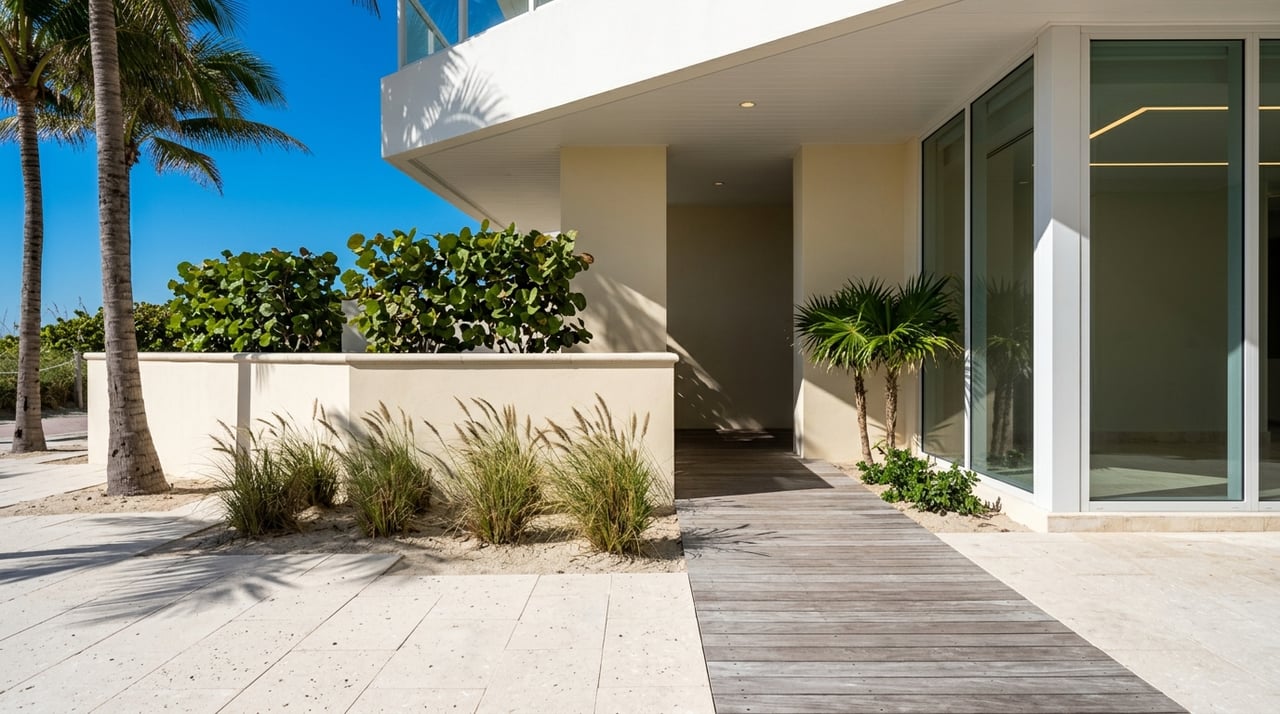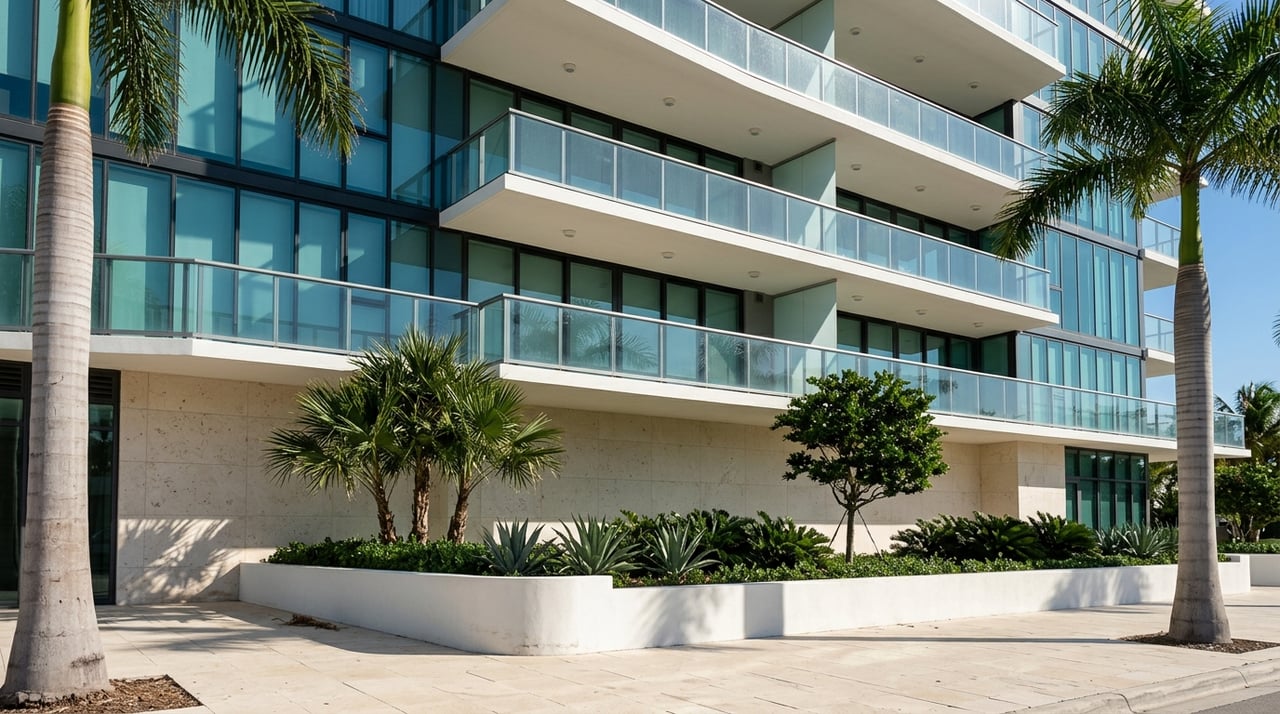
Thinking about buying a second home in Miami Beach? It can be an exciting move, but it also comes with more moving parts than many buyers expect. If you want a place for personal use now and occasional rental flexibility later, the details matter. This guide will help you understand the key issues so you can make a smart, confident decision. Let’s dive in.
Why second-home planning matters
A Miami Beach second home is not just about finding the right view or building. You also need to make sure the property fits how you plan to use it, what it will cost to carry, and whether your financing matches your plans.
That is especially important in a coastal condo market where association rules, city regulations, and lender standards can all affect the same purchase. A home that looks perfect on paper may not work if the occupancy rules, rental restrictions, or ongoing costs do not align with your goals.
Confirm your occupancy fits lender rules
Before you start seriously comparing properties, it helps to understand how a lender defines a second home. According to Fannie Mae occupancy guidance, a second home must be occupied by you for part of the year, be a one-unit dwelling suitable for year-round use, remain under your exclusive control, and not function as a rental property, timeshare, or management-controlled occupancy arrangement.
This point matters if you hope to rent the home from time to time. Rental income may exist, but under those rules it cannot be used to help you qualify for the mortgage. If your intended use looks more like an investment property than a second home, your loan pricing and qualification path may change.
Choose the right property type
Condos often suit part-time owners
For many second-home buyers, a condominium is the most practical option. Condos can offer a lock-and-leave setup that fits seasonal use, but they also come with association oversight that deserves close review.
Florida law gives condo buyers access to important documents, including the declaration, bylaws, rules, annual financial statement, annual budget, and, when applicable, the milestone inspection summary and the association’s most recent structural integrity reserve study. Under Florida condominium law, buyers also have voidability rights if required disclosures are not properly delivered.
Single-family homes have different tradeoffs
A single-family home may offer more privacy and fewer association layers, which can appeal if you want more control over the property. But in Miami Beach, short-term rental rules for houses are stricter than many buyers expect.
The city states that vacation and short-term rentals are prohibited in all single-family homes and in many multifamily buildings in certain zoning districts. If occasional short stays by renters are part of your plan, this rule should be reviewed early, not after contract.
Understand Miami Beach rental rules
If you are asking, “Can I rent it sometimes?” the answer may be yes, but only under the right conditions. In Miami Beach, vacation or short-term rentals are defined as stays of less than six months and one day, according to the city’s short-term rental rules.
For a short-term rental to operate legally, the property needs zoning approval, a Business Tax Receipt, and a Resort Tax account. The city also requires the Business Tax Receipt number and resort tax certificate number to appear in every advertisement or listing.
Your condo association may be stricter
Even if city zoning allows short-term rental use, that does not mean the building allows it. Miami Beach’s short-term rental application requirements include a recent association letter confirming that short-term rental is allowed for the specific unit.
That makes the building’s governing documents and board rules a major part of your due diligence. In practice, a condo can be more restrictive than the city itself, so you should verify both layers before you move forward.
Review condo documents carefully
In Miami Beach, condo due diligence is about more than monthly fees. The association’s financial strength, reserve planning, inspection status, and repair history can all affect your future cost and risk.
If you are buying in an older building, pay close attention to recertification issues. The city’s building recertification program applies to many buildings once they reach 30 years of age and again 10 years later, with certain exceptions. If deficiencies are found, updated reports and permits may be required.
What to check before buying
Focus on documents that can reveal future expenses or restrictions, such as:
- The declaration and bylaws
- Current rules and regulations
- Annual budget and financial statements
- Reserve study information
- Milestone inspection summary, if applicable
- Recent information on recertification or required repairs
- Rules on leasing and minimum rental periods
These records can help you spot potential assessment risk, usage limits, and building obligations before closing.
Budget beyond the purchase price
A second home in Miami Beach often costs more to carry than buyers first assume. In addition to the mortgage, you may need to budget for property taxes, insurance, association dues, possible special assessments, and closing costs.
A clear budget review matters because your actual monthly and annual ownership costs can be very different from the seller’s experience. That is particularly true when taxes reset after a sale or when an older building is planning major work.
Property taxes may change after purchase
A second home generally does not qualify for Florida homestead treatment because homestead is tied to your permanent residence. Miami-Dade’s homestead exemption materials state that the property must be your permanent residence.
Miami-Dade also explains that the non-homestead cap limits annual assessment increases to 10%, excluding School Board assessments, but a change in ownership can reset assessed value to full market value. That means you should not expect the seller’s tax bill to carry over.
The county also notes that property taxes are based on assessed value minus exemptions, multiplied by the millage rate, and bills may include non-ad valorem assessments. Those additional charges can meaningfully affect the total amount due.
Closing costs still need room in your plan
Closing costs can add up quickly, especially when financing is involved. The Consumer Financial Protection Bureau says closing costs typically range from about 2% to 5% of the purchase price.
In Florida, costs may include documentary stamp tax on the deed and nonrecurring intangible tax on the mortgage. The Florida Department of Revenue explains that in Miami-Dade, the deed surtax applies to many transfers, though not to a document transferring only a single-family dwelling, and that the nonrecurring intangible tax is 2 mills on the mortgage amount.
Insurance deserves early attention
Because Miami Beach is a coastal market, insurance should be part of your budget review from the start. Flood coverage can be especially important.
According to FEMA flood zone guidance, properties in high-risk A or V flood zones with federally backed mortgages must carry flood insurance. Depending on the property and lender, this can be a major line item in your annual ownership costs.
Compare financing early
Do not assume a second-home loan will look exactly like a primary-residence loan. Fannie Mae notes that some second-home loans carry loan-level price adjustments, which can affect pricing.
That is why it is smart to compare Loan Estimates early and revisit your occupancy plan with your lender before making offers. If you expect any rental use, that conversation should happen upfront so your financing strategy matches how you actually plan to use the property.
International buyers should plan ahead
If you are buying from abroad or you are a nonresident owner, tax planning should happen before closing. The IRS says that income from U.S. real property owned by a nonresident alien is generally taxed at 30% or a lower treaty rate if it is not effectively connected with a U.S. trade or business, and a valid election to treat rental income as effectively connected can require Form 1040-NR.
There can also be sale-related tax issues later. The IRS explains that FIRPTA reporting and withholding may apply when U.S. real property interests are acquired from foreign persons, using Forms 8288 and 8288-A.
For that reason, international and cross-border buyers should coordinate early with their lender, closing attorney or title professional, and tax adviser. That coordination becomes even more important if you plan any rental use, buy through an entity, or manage the property from outside the United States.
A smart Miami Beach buying checklist
Before you move forward on a second home in Miami Beach, make sure you can clearly answer these questions:
- Will the property qualify as a second home under your lender’s rules?
- Is the property type right for your intended use?
- Are short-term rentals allowed by both the city and the association?
- Have you reviewed condo financials, reserves, and inspection-related documents?
- Have you estimated taxes based on a possible reassessment after closing?
- Have you budgeted for insurance, including possible flood insurance?
- Have you accounted for closing costs and mortgage-related taxes?
- If you are an international buyer, have you reviewed tax reporting requirements before closing?
When these pieces are aligned, you are much more likely to enjoy the benefits of owning in Miami Beach without costly surprises later.
Buying a second home in Miami Beach can be rewarding, but success usually comes down to preparation. If you want experienced guidance on evaluating condos, single-family options, coastal carrying costs, or long-distance purchase logistics, connect with Rafael Szydlowski for knowledgeable, hands-on support throughout your search and closing.
FAQs
What counts as a second home for a Miami Beach mortgage?
- Under Fannie Mae guidelines, a second home must be occupied by you for part of the year, suitable for year-round use, under your exclusive control, and not function as a rental property or timeshare.
Can you short-term rent a second home in Miami Beach?
- Maybe, but only if the property is in a permitted zoning district, the building allows it, and your financing still fits second-home rules under the city’s vacation and short-term rental requirements.
Are short-term rentals allowed in Miami Beach single-family homes?
- No. The city states that vacation and short-term rentals are prohibited in all single-family homes.
What condo documents should you review before buying a second home in Miami Beach?
- You should review the declaration, bylaws, rules, annual financial statement, annual budget, reserve-related documents, and any applicable milestone inspection summary or structural integrity reserve study under Florida condominium law.
Will your Miami Beach property taxes stay close to the seller’s taxes?
- Not necessarily. Miami-Dade says a change in ownership can reset assessed value to full market value, and tax bills may also include non-ad valorem assessments.
Does a Miami Beach second home qualify for Florida homestead exemption?
- Generally no, because Miami-Dade states that homestead exemption applies to a permanent residence, not a second home.
Do Miami Beach second-home buyers need flood insurance?
- In some cases, yes. FEMA guidance says properties in high-risk A or V flood zones with federally backed mortgages must carry flood insurance.
What should international buyers know before buying a second home in Miami Beach?
- International buyers should review rental income tax treatment, possible filing requirements, and future FIRPTA implications early with their tax and closing professionals based on IRS guidance for nonresident real property owners.