Choosing between a condo and a single-family home in Surfside is about more than price, bedrooms, or even the view. In this coastal market, the decision affects how much maintenance you handle, how much control you want, and what kind of ownership experience fits your lifestyle. If you are weighing both options, this guide will help you compare the tradeoffs that matter most in Surfside. Let’s dive in.
Surfside offers two distinct lifestyles
Surfside is a walkable oceanfront town between Miami Beach and Bal Harbour with nearly 6,000 residents, a residential neighborhood, condominium and apartment buildings, and a business district, according to the Town of Surfside. The town is also largely built out, which helps explain why buyers are often choosing between two very different property types instead of several stages of new growth.
That matters because a Surfside condo and a Surfside single-family home often represent two different ways of living. One may offer an association-managed building and a more lock-and-leave setup, while the other may offer more direct control over the property and outdoor space.
Condo ownership in Surfside
Condos can simplify exterior maintenance
In Florida condominiums, the association is generally responsible for maintaining, repairing, and replacing common elements under state condominium law. For many buyers, that can make condo ownership appealing if you prefer shared management of the building’s exterior and common areas.
If you travel often, own seasonally, or want fewer day-to-day exterior responsibilities, that structure may feel more convenient. Instead of managing every exterior item yourself, you are part of a building with shared governance and shared costs.
Condos require closer document review
In Surfside, buying a condo means looking beyond the unit itself. Florida law requires buyers to receive key documents such as the declaration, bylaws, rules, annual financial statement, annual budget, and, when applicable, milestone inspection summaries and the most recent structural integrity reserve study under Florida Statute 718.503.
That makes due diligence especially important. When you compare condos, you are also comparing how each association plans for repairs, communicates with owners, and manages long-term building obligations.
Reserve funding matters more than ever
Florida law now places tighter limits on waiving or underfunding certain required reserves for associations that must obtain a structural integrity reserve study, as outlined in Florida Statute 718.112. Funding can come through regular assessments, special assessments, lines of credit, or loans.
For you as a buyer, this means a condo’s monthly costs and future expenses may depend heavily on the building’s reserve position and repair timeline. In practical terms, a lower purchase price does not always mean lower long-term ownership costs.
Building age and inspections can affect your decision
For residential condos that are three habitable stories or higher, Florida requires a structural integrity reserve study at least every 10 years. Milestone inspections are also required at 30 years, or at 25 years in coastal situations if local enforcement determines earlier review is warranted.
In a place like Surfside, that makes building condition and capital planning central to the condo decision. Before you move forward, it helps to understand not just what the building looks like today, but what repairs or funding needs may be approaching.
Single-family ownership in Surfside
Homes offer more control
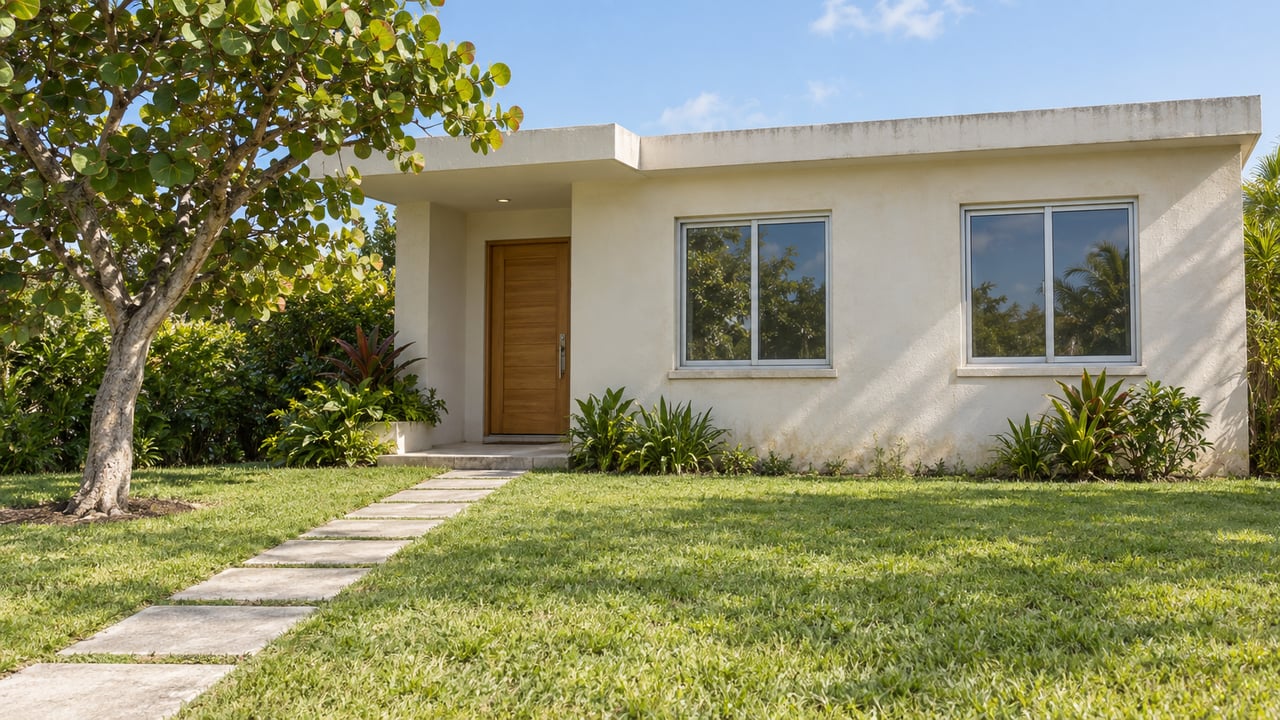
A single-family home in Surfside usually gives you more direct control over the property. If private outdoor space, a yard, or pool potential is high on your list, a house may be the more natural fit.
Surfside’s zoning review for building permits shows the range of site and exterior improvements owners may pursue, including driveways, fences, landscaping, rear-yard pools, synthetic turf, marine structures, and tree removal. That flexibility can be valuable if you want to shape the property around your needs.
Homes also bring more hands-on responsibility
The tradeoff is that more control usually means more responsibility. With a house, you are typically managing upkeep, exterior improvements, and permit-related decisions more directly than you would in a condo building.
Surfside’s planning framework also treats single-family projects and larger multi-family structures through different review paths. So while a house may give you more freedom, it also calls for more owner involvement when you make visible changes.
Some building rules differ from condos
Florida’s milestone inspection law does not apply to single-family, two-family, three-family, or four-family dwellings with three or fewer habitable stories above ground, based on the same state statute. That is one important difference between owning a house and owning a unit in a taller condo building.
This does not remove the need for careful property due diligence, but it does mean the ownership framework is different. In many cases, the focus shifts more toward the property itself, your maintenance plans, and any local permitting requirements tied to future improvements.
Key questions to help you decide
How much maintenance do you want?
If you want a more lock-and-leave setup, a condo may be the better fit because the association generally handles common elements and shared exterior responsibilities. If you prefer direct control and do not mind taking a more active role in upkeep, a house may suit you better.
This is often the first and most practical question to answer. Your honest day-to-day preference can narrow your search quickly.
How important is outdoor space?
If you want private outdoor living, a yard, or the possibility of adding features such as a pool or fencing, a single-family home often aligns better with those goals. Surfside’s permit categories make it clear that these site improvements are an important part of house ownership in town.
A condo may still offer outdoor enjoyment through balconies or shared amenities, but that is not the same as having private ground-level space under your control. If outdoor use is central to your lifestyle, that distinction matters.
Are you comfortable with association governance?
Condo ownership in Florida involves rules, budgets, financial statements, reserve planning, and building disclosures. If you are comfortable reviewing documents and understanding how an association operates, a condo can be a great match.
If you would rather avoid shared decision-making and building-wide financial exposure, a single-family home may feel more straightforward. Neither option is inherently better, but they require different comfort levels.
Will you use the property seasonally or as a rental?
If the home will not be your full-time residence, think carefully about how you plan to use it. Surfside regulates short-term rentals for single-family, two-family, multi-family, and townhome dwelling units and requires registration.
That means rental flexibility should be part of your due diligence early in the process. For condos, you should also verify association rules because building policies may further affect rental use.
Have you checked flood exposure?
Flood risk should be part of your first round of research for any Surfside property. Miami-Dade County notes that the county is particularly susceptible to flooding from major rain events and storm surge on its flood protection and flood zone maps page.
FEMA also notes on that same county resource that homeowners insurance usually does not cover flood damage. Whether you are considering a condo or a house, it is smart to verify the exact parcel and understand how flood exposure may affect your comfort level and ownership costs.
Surfside condo vs house at a glance
| Factor | Condo | Single-Family Home |
|---|---|---|
| Maintenance | More shared through the association | More directly handled by you |
| Outdoor space | Usually more limited and shared | Usually more private and flexible |
| Governance | Association rules and financials matter | More direct owner control |
| Due diligence | Strong focus on budgets, reserves, and inspections | Strong focus on property condition and permits |
| Rental planning | Check town rules and association rules | Check town rules and registration requirements |
The right choice depends on how you want to live
In Surfside, this decision is not just about square footage. It is about whether you want shared building management or direct property control, simplified exterior maintenance or more outdoor flexibility, and association oversight or a more hands-on ownership role.
The best choice is the one that matches your routine, your risk tolerance, and your long-term plans. If you want experienced guidance as you compare Surfside condos and single-family homes, connect with Rafael Szydlowski for informed, senior-level support tailored to South Florida’s coastal market.
FAQs
What makes Surfside condos different from single-family homes?
- Surfside condos usually involve association-managed common elements, reserve planning, and building disclosures, while single-family homes usually offer more direct control, more outdoor flexibility, and more owner responsibility.
What documents should you review before buying a Surfside condo?
- You should review the condo declaration, bylaws, rules, annual financial statement, annual budget, and any applicable milestone inspection summary or structural integrity reserve study materials required under Florida law.
Why does outdoor space matter when choosing a Surfside property?
- Outdoor space matters because single-family homes in Surfside may allow features such as fences, landscaping changes, or rear-yard pools through the town’s permit and zoning process, while condos usually offer a more limited private exterior footprint.
How do Surfside short-term rental rules affect buyers?
- Surfside regulates short-term rentals across several housing types and requires registration, so buyers should confirm both town requirements and, for condos, any association rental restrictions before purchasing.
Why should flood risk be part of a Surfside home search?
- Surfside is in Miami-Dade County, where flooding from major rain events and storm surge is an important local concern, so verifying the exact property location and flood exposure is a key part of early due diligence.