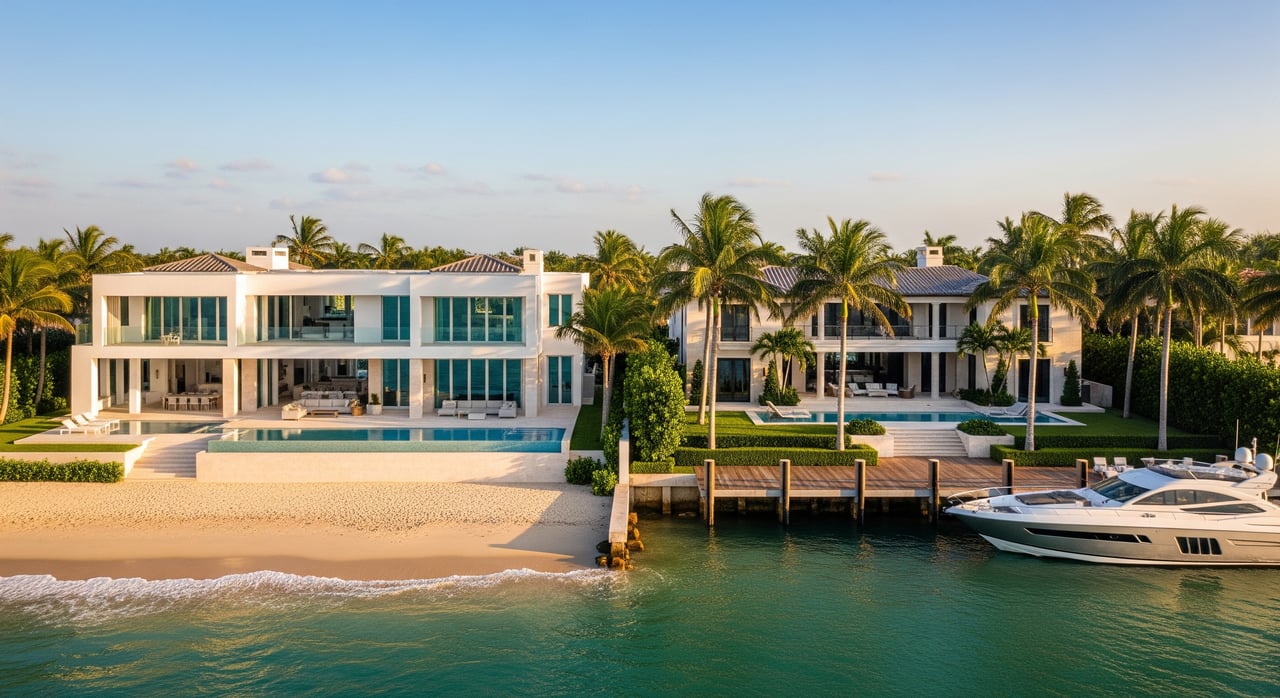
Torn between stepping onto soft sand at sunrise or easing a boat off your private dock for a bay cruise? If you are exploring Golden Beach, you have two incredible waterfront choices that deliver very different daily rhythms. Choosing well comes down to how you live, what you value, and the true costs and risks behind each property type. In this guide, you will learn how oceanfront and Intracoastal living compare on lifestyle, maintenance, insurance, resilience, and resale so you can buy with confidence. Let’s dive in.
Golden Beach snapshot
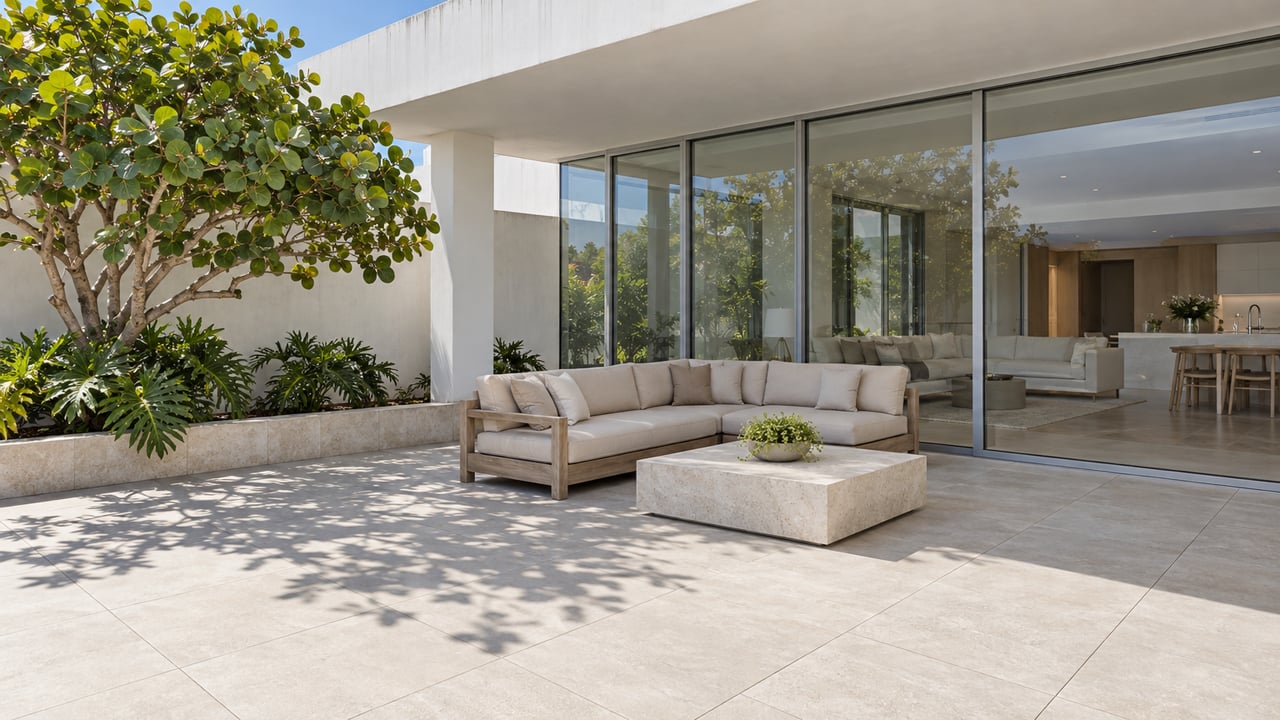
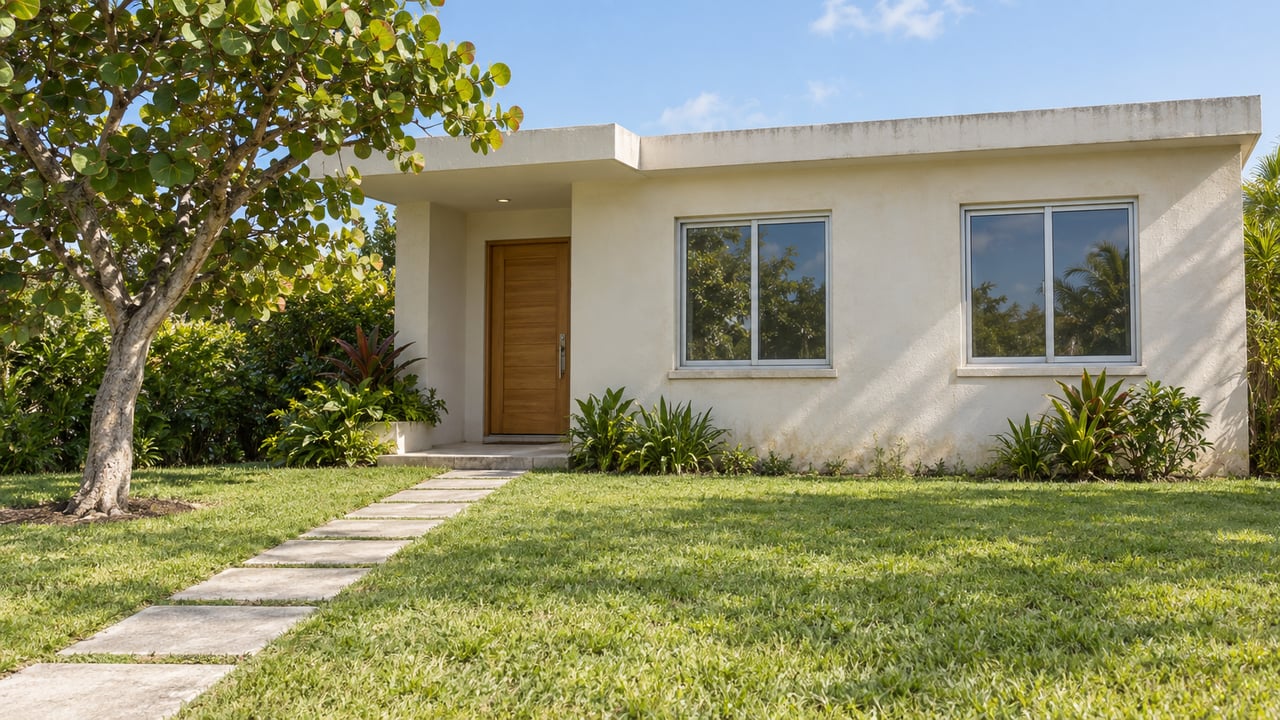
Golden Beach is a small, incorporated town in northeast Miami-Dade County with the Atlantic Ocean to the east and the Intracoastal Waterway to the west. Most lots run east to west, which creates two distinct products: direct oceanfront homes and Intracoastal properties with dockage. The town is primarily single-family with strict zoning and design standards that preserve a low-density, private beach-town feel.
You sit near Bal Harbour, Sunny Isles, and Aventura for dining, shopping, and services. Access to main corridors and airports is convenient for commuters and frequent travelers. The town’s rules and permitting help protect its coastal environment and residential character.
Oceanfront living
What you will love
- Direct beach access that feels private within a peaceful residential setting.
- Unobstructed Atlantic views and dramatic sunrises.
- The sensory experience of surf and sea breezes that many find calming.
What to weigh
- Greater exposure to wind, salt, and surf spray that increases exterior wear.
- More intensive storm preparation and potentially higher insurance costs.
- Limited supply of true oceanfront lots, which can reduce inventory and affect timing.
Ownership costs to expect
- More frequent repainting, hardware replacement, and corrosion management due to salt spray.
- Post-storm foundation or piling checks as part of ongoing structural care.
- Possible participation in public or municipal beach management or nourishment projects, depending on local programs.
Design and resilience considerations
- Many oceanfront parcels fall within FEMA coastal high-hazard (VE) zones. These areas often require elevated living spaces, deep pilings, and design that addresses wave action.
- Wind and impact standards from the Florida Building Code and Miami-Dade apply, so features like impact-rated openings, reinforced roofs, and elevated utilities are common and recommended.
Intracoastal living
What you will love
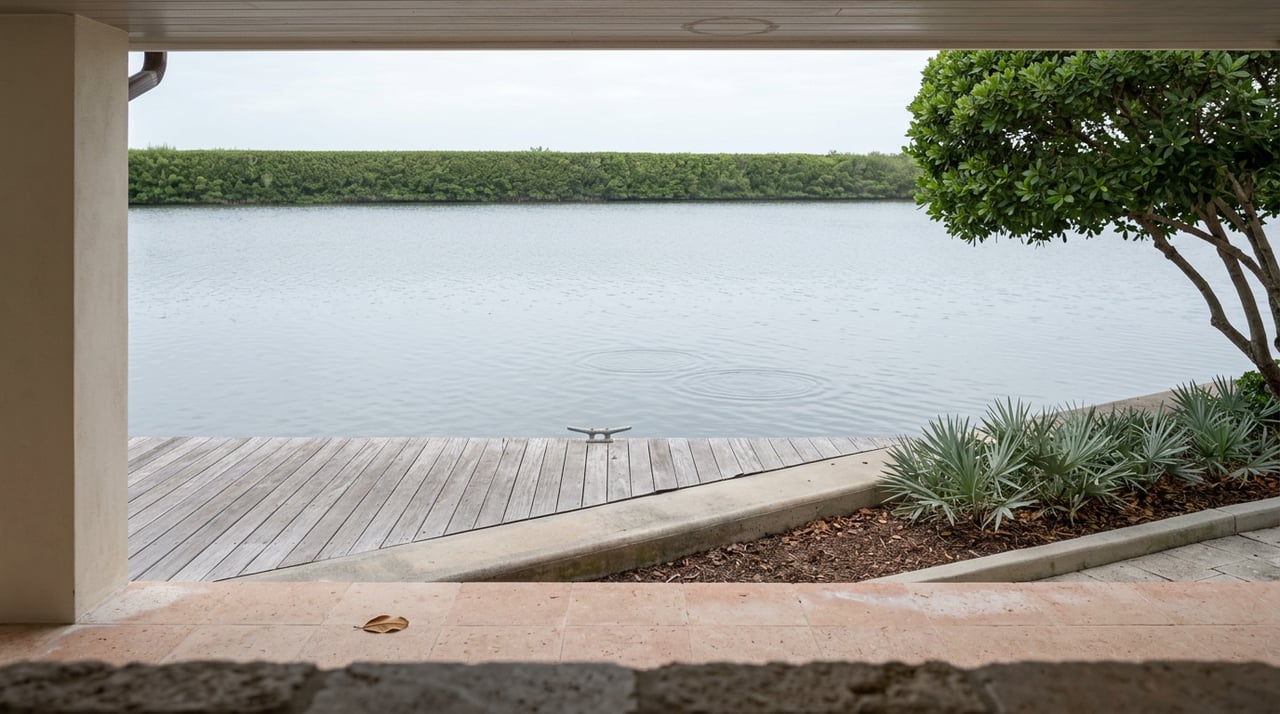
- Protected water views with calmer conditions for entertaining and outdoor living.
- Private dockage and boat access. Water depth and dock features vary by lot.
- Often more usable backyard space that is shielded from ocean surf.
What to weigh
- Seawall, bulkhead, and dock maintenance, which can be significant capital items.
- Possible exposure to tidal issues, localized water-quality concerns, and seasonal vegetation.
- Boating activity can add intermittent noise depending on location and traffic.
Ownership costs to expect
- Seawall and dock inspections, repairs, and eventual replacement. Material and age drive timelines.
- Periodic dredging or shoal management in some slips or channels, subject to permitting.
- Routine corrosion management and exterior maintenance common to all waterfront homes.
Boater-specific checks
- Confirm water depth and vessel draft, turning radius, and any bridge or clearance limitations along your routes.
- Review survey lines, riparian rights, and any submerged land leases tied to dock ownership or use.
Market dynamics
Golden Beach’s two waterfront experiences command different pricing and turnover patterns.
- Oceanfront premium: Direct beach frontage typically commands a price premium because of unobstructed views, immediate beach access, and prestige. Supply is limited, which can tighten inventory.
- Inventory and liquidity: With fewer oceanfront lots, comparable choices can be scarce at any given time. Both sides are luxury-driven, which can mean thinner liquidity and longer marketing periods for unique properties.
- Value drivers: Oceanfront value is driven by beach width, dune and backshore condition, and view corridors. Intracoastal value is driven by dockage, seawall and bulkhead condition, channel depth, and vessel maneuverability.
- Current data: For the latest list and sale activity, rely on live MLS data and Miami-Dade property records. Avoid old headline numbers and verify days on market, recent comps, and absorption before you write an offer.
Flood and storm risk
Flood zones and surge exposure
- Oceanfront homes often sit in VE zones that see higher wave action during hurricanes and storms. Intracoastal parcels can be in VE or AE zones depending on elevation and proximity to open water.
- Both sides are exposed to storm surge and tidal backup. Elevation, site design, and drainage matter as much as raw distance from the shoreline.
Resilience features that help
- Elevated finished-floor heights, deep pile foundations, and impact-rated openings.
- Properly engineered seawalls and bulkheads on Intracoastal lots.
- Whole-home generators, protected mechanicals, and flood vents where applicable.
Insurance basics
Insurance costs vary widely by property features and site specifics. Plan to obtain quotes early in your search.
- Flood insurance: NFIP pricing considers zone and elevation via an elevation certificate. Private flood carriers also operate in Florida with their own underwriting.
- Wind and hurricane: Many buyers use private carriers, with Citizens Property Insurance as a last-resort option. Age and condition of roof, impact glass, shutters, and mitigation reports can influence premiums.
- Practical tip: Ask for the seller’s recent invoices and claims history where available, then confirm with live quotes before you finalize your budget.
Permits and construction
Waterfront work typically involves multiple agencies.
- Docks, seawalls, and bulkheads: Expect to coordinate with the Town of Golden Beach, Miami-Dade County, and the Florida Department of Environmental Protection for permits. Repair and replacement can follow different tracks than new construction.
- Coastal and structural work: Oceanfront projects in VE zones often require coastal engineering, pile design, and adherence to Miami-Dade and Florida Building Code wind standards.
- Title and rights: For dock projects, check for submerged land leases and riparian rights as part of your title review.
Buyer due diligence
Use this checklist to streamline inspections and protect your investment.
For all waterfront homes
- Confirm FEMA flood zone and obtain an elevation certificate.
- Order a recent boundary and improvement survey that shows seawall, dock, and easements.
- Complete full structural, roof, and wind-mitigation inspections, including impact openings.
- Review permit history for additions, docks, and seawalls. Match records to what is on site.
- Get written flood and wind insurance quotes before going firm on price.
- Ask for maintenance logs, repair invoices, and any disclosure of past flood or storm claims.
Oceanfront specifics
- Evaluate dune, beach width, and backshore condition as part of site resilience.
- Inspect piling and foundation systems, especially after major storm seasons.
- Review any applicable beach management programs or restrictions.
Intracoastal specifics
- Commission a seawall and dock condition report by a licensed marine contractor or structural engineer.
- Verify water depth and clearances for your intended vessel. Confirm dredging history if relevant.
- Review any association or municipal guidelines that affect boat lifts, lighting, and mooring.
Seller preparation
Position your property for a smooth sale and stronger offers.
Oceanfront sellers
- Provide elevation certificate, impact window details, roof age, and any storm-hardening features.
- Share engineering reports or post-storm inspections if you have them.
- Document exterior maintenance cycles for paint, hardware, and mechanicals.
Intracoastal sellers
- Compile seawall, bulkhead, and dock build dates, permits, and repair invoices.
- Provide water depth details, lift specs, and any dredging or maintenance records.
- Share wind-mitigation reports, elevation certificate, and recent insurance invoices.
How to choose your side
If you are torn between the ocean and the waterway, use these prompts to find your best fit.
- Daily rhythm: Do you picture sunrise walks on sand or sunset gatherings on a protected deck by your dock?
- Boating priority: If boating is central, Intracoastal with proper depth and dockage usually wins. If beach is non-negotiable, oceanfront leads.
- Risk tolerance: Are you comfortable with VE zone requirements and direct surf exposure, or do you prefer protected water and seawall care?
- Maintenance budget: Oceanfront often trades dock upkeep for higher salt wear. Intracoastal often trades salt spray for seawall and dock capital cycles.
- Privacy and activity: Surf sounds and open vista versus occasional boat traffic and dockside entertaining.
- Resale strategy: Unique oceanfront frontage can be scarce. Intracoastal with prime dockage and depth is similarly coveted among boaters.
Work with a local expert
Waterfront decisions are too important to leave to guesswork. You deserve clear guidance on site conditions, permits, insurance, and real-time comps so you can act decisively when the right home appears. If you want a senior-led, full-service approach that blends local market expertise with polished marketing and hands-on transaction management, connect with Rafael Szydlowski. Request a Free Home Valuation or schedule a private buyer consultation today.
FAQs
What is the key difference between oceanfront and Intracoastal homes in Golden Beach?
- Oceanfront fronts the Atlantic with direct beach access and open views, while Intracoastal fronts protected waterways and typically offers private dockage for boating.
How do flood zones affect Golden Beach home costs and design?
- Many oceanfront parcels lie in VE zones with stricter elevation and structural requirements, while Intracoastal parcels vary between VE and AE; your zone and elevation drive design features and flood insurance pricing.
Which side of Golden Beach typically has higher insurance costs?
- Oceanfront often carries higher flood and wind premiums due to wave action and exposure, but actual costs depend on elevation, mitigation features, roof age, and live quotes from carriers.
What maintenance should I expect with an Intracoastal property in Golden Beach?
- Plan for seawall and dock inspections, eventual replacement, possible dredging, and routine corrosion control, in addition to standard coastal home upkeep.
What are typical maintenance needs for an oceanfront Golden Beach home?
- Expect more frequent exterior painting, metal and hardware replacement, and proactive structural checks for piles and foundations after major storms.
Can I build or expand a dock on an Intracoastal lot in Golden Beach?
- It depends on local code, permits, water depth, and property rights; confirm with the town, county, and state permitting agencies before planning.
How scarce are oceanfront lots compared with Intracoastal in Golden Beach?
- True oceanfront frontage is limited, which can tighten inventory and affect timing, while Intracoastal offers more options with value tied to dockage and depth.