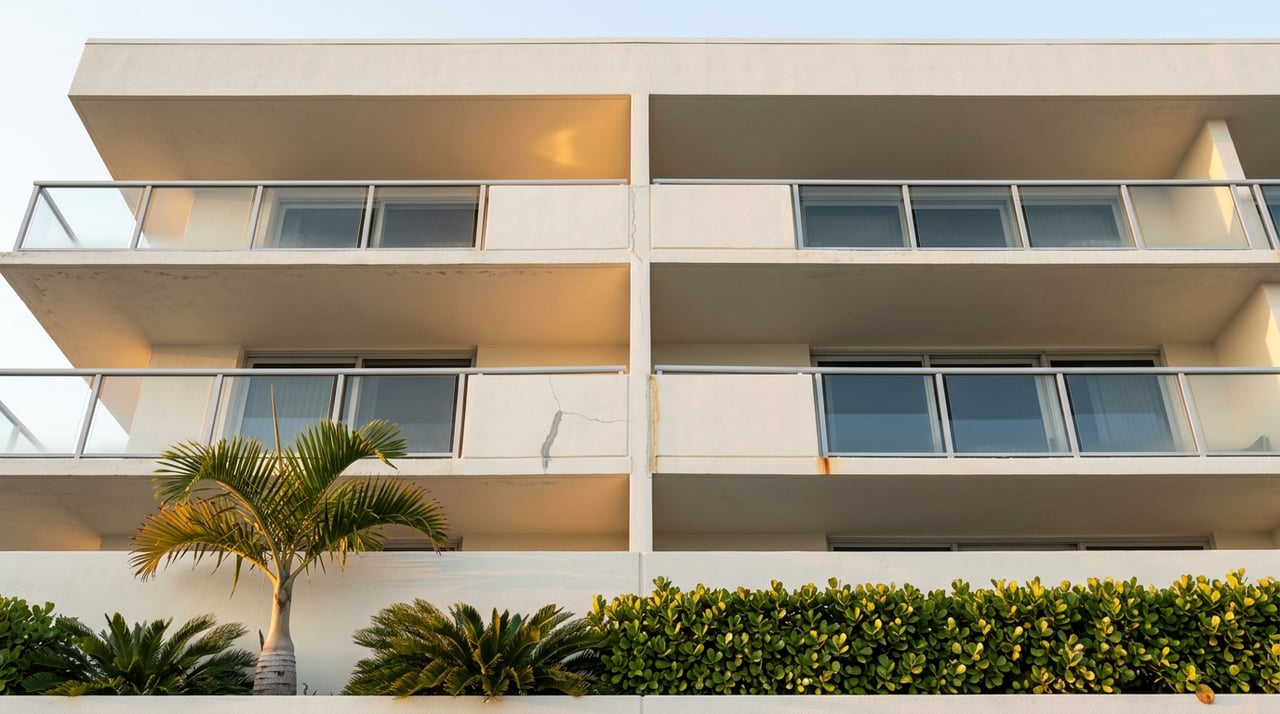
Shopping for a Miami Beach condo and hearing a lot about “recertification”? You are not alone. Many coastal buildings face periodic structural and life-safety checkups, and buyers want to know how that affects price, financing, and timelines. In this guide, you will learn what the local 30/40/50-year cycle means, what to review before you make an offer, and how to plan for fees or assessments. Let’s dive in.
30/40/50 recertification explained
In Miami-Dade and nearby municipalities, multi-story residential buildings go through required recertification at key age milestones. Locals often call this the 30/40/50 cycle. A building is inspected at roughly 30 years, then again at later decadal points, such as 40 and 50 years, based on local ordinance.
The goal is safety. Engineers evaluate structural and electrical systems and note issues like concrete deterioration, corrosion, waterproofing failures, and fire-safety items. Policies and enforcement drew more attention after the 2021 Surfside collapse. Today, the exact schedule and filing rules depend on the local building department. Always verify a building’s status with the association and the relevant jurisdiction before you commit to a contract.
How the process works
Trigger and professional team
The recertification clock starts when a building hits the milestone or receives an official notice. The association hires licensed professionals, typically a structural engineer, and often an electrical engineer or other specialists. Their job is to inspect, document findings, and submit a formal report to the city or county.
What inspectors review
Inspections focus on structural elements like columns, beams, slabs, balconies, and rail connections. Engineers also check the building envelope and waterproofing, including roofs, balcony membranes, and exterior sealants. Parking garages and elevated slabs get careful attention. Electrical safety and certain life-safety systems are part of the review, and elevators or pools may have separate inspections.
Common report outcomes
- No significant structural deficiencies or only minor repairs. This is the lowest concern for buyers.
- Deferred maintenance that needs attention soon. This is manageable if the association plans and funds the work.
- Significant or critical structural deficiencies. This usually requires urgent remediation and funding and can affect access or timelines.
- Immediate safety concerns that may prompt restricted access or temporary shoring while repairs are planned.
Typical timelines
Plan for variability. The inspection and report can take a few weeks to several months. Municipal reviews often take weeks to months. Design, permits, and bidding may take 1 to 12 months, or longer for complex work. Major repairs can last months to multiple years, depending on scope.
How recertification affects your budget
Reserves and special assessments
A reserve study estimates future repair needs and recommended savings. Older buildings often have reserve shortfalls. When the engineer’s report identifies work, associations may increase monthly dues, levy a special assessment, or secure a loan. Per-unit costs are typically apportioned based on each unit’s ownership percentage.
Insurance factors
Check the master policy scope and deductibles. Rising premiums and tighter coverage are common, especially after major claims or structural findings. High deductibles or limited coverage can shift more cost to owners.
Financing and lender behavior
Lenders evaluate the condition of the entire project. Significant deferred maintenance or large unfunded repairs can trigger extra conditions, impact loan-to-value, or limit certain loan types. FHA and VA have project eligibility rules, and buildings with unresolved issues may be ineligible until remediation is planned or completed. Expect potential review delays if the report shows serious findings.
Practical budgeting moves
- Ask for the engineer’s cost estimate and whether the association has an approved funding plan.
- Request your per-unit share estimate based on your allocation schedule.
- Discuss large or pending assessments with your lender early. Some lenders treat them as debt in underwriting.
- Add a contingency cushion to your budget for possible changes during repairs.
Buyer due diligence checklist
Key documents to request
- Most recent engineering recertification report and any municipal comments or deficiency notices.
- Written cost estimates tied to the report, including phasing and soft costs if available.
- Current reserve study and a list of work completed since the study.
- Current and prior year association budgets, especially reserve line items and capital projects.
- Board and membership meeting minutes for the last 12 to 24 months.
- Owner notices about recertification, repair bids, or special assessment votes.
- Permits and completion certificates for ongoing or recent structural work.
- Master insurance policy declarations, including deductibles and sublimits.
- Condominium documents and the allocation schedule for unit percentages.
- Association financials, delinquency rates, and collection policy.
- Any litigation disclosures or pending claims.
Smart questions to ask the association
- Is the building currently under an active recertification or deficiency notice? When was the inspection and when was the report filed?
- Please provide the full engineer’s report, recommended repairs, and cost estimates, including prioritization.
- Has the municipality issued required corrective orders, permits, or deadlines?
- How will the association fund the work? Share reserve balances, planned special assessments, and any approved loans.
- What portion of the engineer’s estimate do current reserves cover?
- Are repairs underway? Provide permits, contractor contracts, and expected completion dates.
- Have there been insurance non-renewals or significant premium changes related to findings?
- What is the building’s FHA or VA project status, and has recertification affected it?
- What is the owner delinquency rate, and does the association have a history of special assessments?
How to read common disclosures
- Recommended repairs are not always immediately enforced. Required or cited repairs are expected by the building department and usually need permits.
- Deferred maintenance means known issues were not fixed. Plan for costs.
- Critical or urgent safety language is a red flag. Expect strict timelines and possible access limits.
- Cost estimates are often ranges. Ask if they include design, permits, contingency, and construction management.
- Meeting minutes reveal funding decisions, owner sentiment, and collection risk.
- Insurance declarations show coverage scope and deductibles. Very high deductibles may increase owner exposure after a claim.
Red flags to watch
- No recent reserve study or very low reserve balances relative to estimated work.
- Critical structural findings with no clear, funded remediation plan.
- Large special assessments without phasing details or financing.
- High owner delinquency rates.
- Repeated permit violations or incomplete permits.
- Board turnover, frequent litigation, or poor recordkeeping.
What it can mean for your timeline
Scenario A - Clean or minor findings
Effect: Minimal impact. Financing proceeds normally and closings stay on schedule.
Scenario B - Moderate findings with a funding plan
Effect: Repairs are planned and funded through reserves, phased assessments, or a loan. Lenders may request documentation. Closing could be delayed for review or may proceed with an escrow for assessments.
Scenario C - Significant findings without funding
Effect: Lenders may decline until repairs are funded or completed. FHA or VA status may be at risk. Expect delays and potential contract extensions.
Scenario D - Construction in progress
Effect: Access and amenities can be limited during work. Lenders may require permits, schedules, and proof of progress. Some will allow financing with proper disclosures and escrows.
Contract and protection options
You can negotiate contingencies that protect your interests. Consider the following options to discuss with your agent and attorney:
- A contingency to review the latest engineering report and municipal record, with the right to cancel if required repairs exceed a set dollar amount.
- A contingency that any special assessment be disclosed and either paid by the seller or open to renegotiation.
- A time allowance so your lender can complete condo project underwriting and review recertification documents.
Local verification and next steps
In Miami Beach and across Miami-Dade, verify details with the correct authorities and the association. Start early and keep records organized.
- Check the Miami-Dade County Building Department for permits, filings, and recertification records.
- For Miami Beach buildings, consult the City of Miami Beach Building Department for municipal notices or deadlines.
- Verify professional licenses with the Florida Department of Business & Professional Regulation.
Recommended professionals:
- A condo-experienced mortgage lender who understands South Florida project reviews.
- A real estate attorney who handles condo closings and special assessments.
- A licensed structural engineer with coastal concrete experience for independent review when needed.
- A title company familiar with association liens and assessment procedures.
Buying in a recertification environment does not have to be stressful. With the right documents, clear funding plans, and a lender who understands local project reviews, you can move forward with confidence. If you want building-specific guidance or help negotiating protective terms, connect with Rafael Szydlowski for senior-level representation tailored to Miami Beach and Miami-Dade condos.
FAQs
What is 30/40/50-year recertification in Miami-Dade?
- It is a periodic inspection cycle where multi-story buildings are evaluated around age 30 and again at later decadal milestones to confirm structural and life-safety conditions.
How can recertification impact my condo financing?
- Lenders review the entire project. Significant deferred maintenance or unfunded repairs can trigger extra conditions, limit loan options, or delay closing until issues are addressed.
What documents should I review before making an offer?
- Ask for the latest engineering report, municipal comments, reserve study, budgets, board minutes, insurance declarations, permits, and any special assessment notices.
What is a special assessment and who pays it?
- It is a one-time charge to fund specific work. Payment responsibility is negotiated in the contract, so clarify whether the seller will pay or if you will assume it.
How long can recertification-related repairs take?
- Simple items may resolve in weeks or months, while major structural programs can take many months to several years, depending on scope and permits.
What are the biggest red flags for buyers?
- Critical structural findings without a funded plan, very low reserves, high delinquency rates, repeated permit violations, and unclear special assessment terms.