Bay or ocean? If you are choosing between Bay Harbor Islands and Surfside for waterfront living, the details matter. You want the right mix of access, views, building type, and long-term costs. In this guide, you will learn how the two towns compare on lifestyle, boating, beaches, inspections, insurance, and resale. Let’s dive in.
Bay vs. ocean at a glance
- Bay Harbor Islands: Quieter bayfront village with low- to mid-rise living and many canal and bay homes with private docks. Best for boaters and a relaxed residential feel near luxury shopping and dining.
- Surfside: Oceanfront town with a beach-first lifestyle and more condo options close to the sand. Best for direct beach access and resort-style amenities.
- Both: Affluent, small municipalities with quick access to Bal Harbour, Miami Beach, and greater Miami.
Lifestyle and location
Bay Harbor Islands vibe
Bay Harbor Islands offers a calm, village atmosphere with tree-lined streets and a mix of single-family homes, townhomes, and low- to mid-rise condos. You can walk to local boutiques, cafes, and services. The setting near Biscayne Bay is ideal if you prefer a quieter pace and boating.
Surfside vibe
Surfside centers on the beach. You will find more high-rise and mid-rise condos near Collins Avenue and along the shore. Daily life often revolves around the ocean, the boardwalk, and a busy commercial corridor.
Waterfront and boating differences
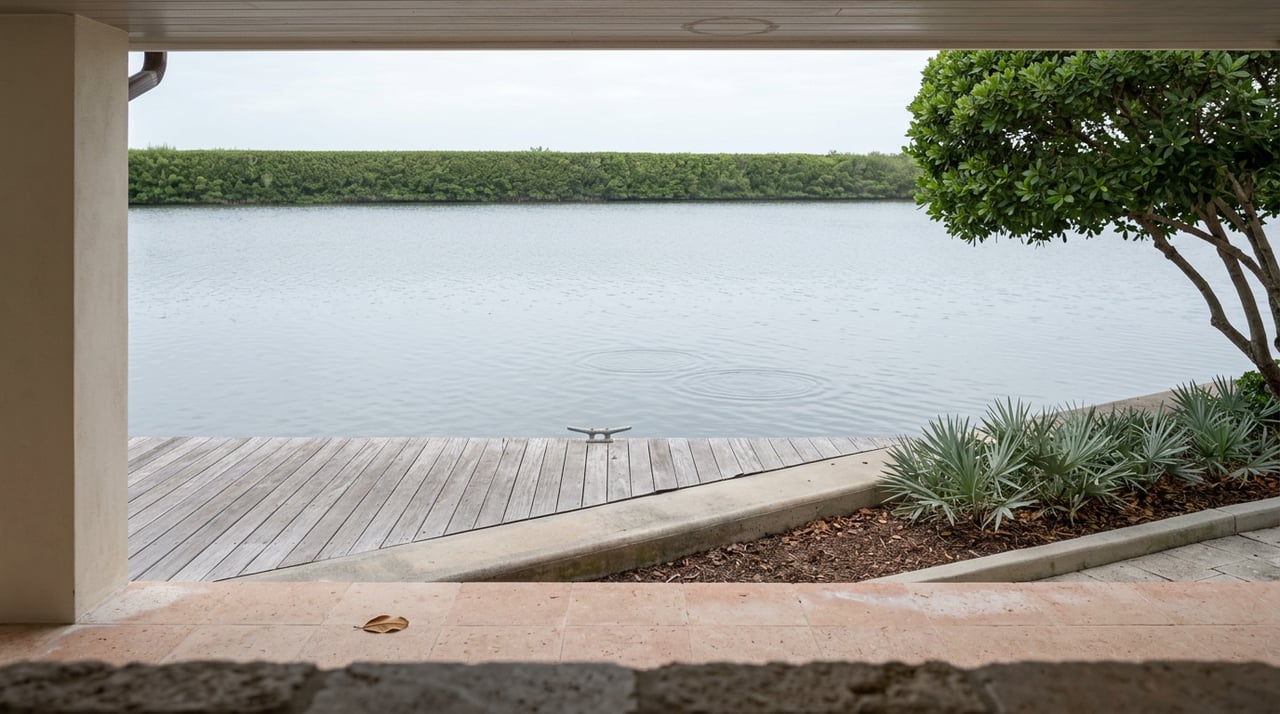
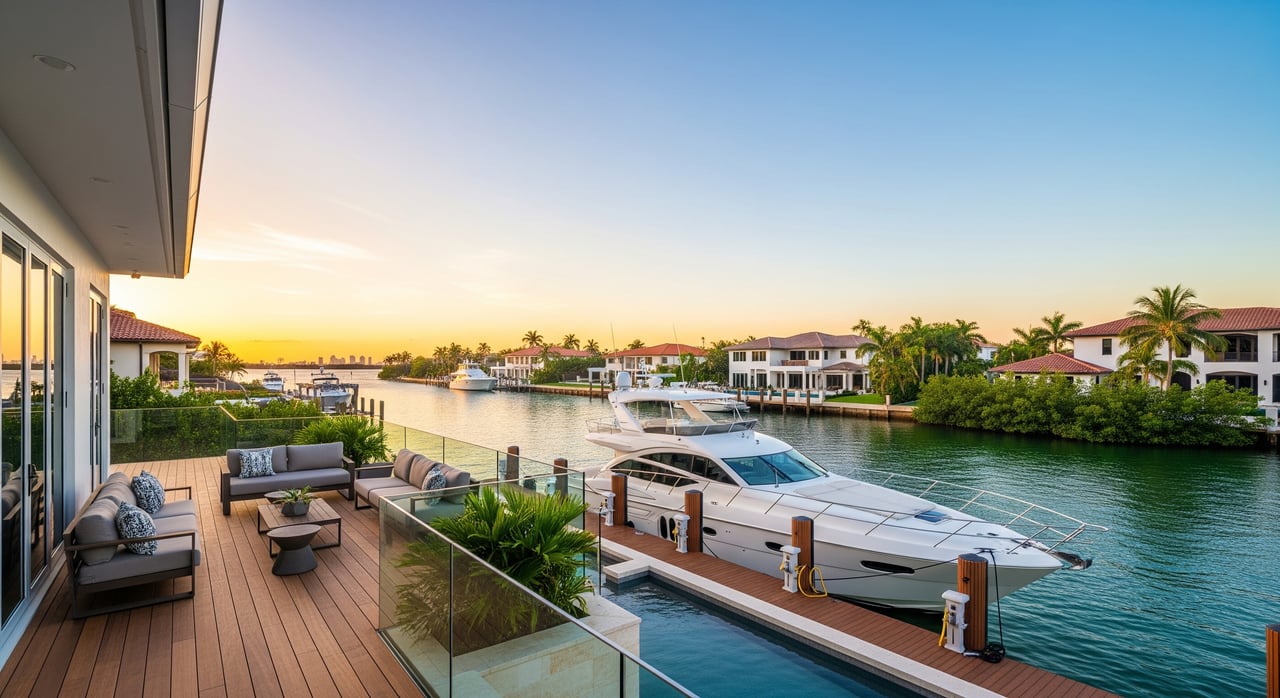
If your lifestyle includes time on the water, the type of shoreline matters. In Bay Harbor Islands, many bayfront and canal properties offer private docks with direct access to Biscayne Bay. If you plan to dock a boat, verify depth, seawall condition, and whether any fixed bridges limit clearance on the way to open water.
Surfside’s value is its beaches and Atlantic views. Most buildings front the sand or sit within a short walk. Private deepwater docks are limited due to the barrier island layout and dunes. If beach days and ocean sunrises are your priority, Surfside aligns well.
Homes and what drives value
Bay Harbor Islands homes
Expect a mix of waterfront single-family homes, canal homes, townhomes, and low- to mid-rise condos. Waterfront single-family supply is limited, and canal homes with good depth and dockage are in demand. Views, lot or slip depth, seawall condition, and proximity to open water influence value.
Surfside homes
Most waterfront options are oceanfront or near-ocean condos, from boutique buildings to high-rises. Building age, amenity packages, reserves, and beach frontage drive pricing. Oceanfront position and unobstructed views carry a premium.
Common value drivers in both
- Waterfront type: Oceanfront and deepwater bay or canal access are premiums.
- Building age and reports: Buyers favor buildings with recent engineering and strong reserve funding.
- Insurance and HOA: Flood and wind premiums, plus HOA dues and assessments, affect total cost of ownership.
- Elevation and exposure: Higher elevation, robust flood protection, and storm-resistant features add confidence.
Safety, inspections, and condo due diligence
The 2021 Champlain Tower South collapse in Surfside increased scrutiny on building safety across South Florida. Buyers now commonly request current engineering reports, 40-year or similar recertification status, and reserve details for older buildings. Lenders may require additional documentation when a building has significant repairs pending.
Use these steps during due diligence for any condo purchase:
- Request the latest structural engineering report and recertification or milestone inspection status.
- Review HOA minutes, reserve studies, and any special assessments underway or proposed.
- Confirm insurance coverage and renewal terms for the building and unit.
- Ask about planned capital projects that may impact access, amenities, or dues.
You can verify municipal and code records through the Town of Surfside official website and the Village of Bay Harbor Islands website, and you can check building permitting through the Miami-Dade County Building Department.
Flood, seawalls, and insurance essentials
Both towns are low-lying and face coastal flooding and storm surge risk. Your risk varies by parcel, building elevation, and shoreline protection. Before you make an offer, pull the flood zone, elevation data, and insurance estimates.
Key steps and tools:
- Map the flood zone and Base Flood Elevation through the FEMA Flood Map Service Center. Obtain an elevation certificate for the property.
- Explore long-term scenarios with the NOAA Sea Level Rise Viewer to understand exposure.
- Price flood coverage and understand deductibles through FEMA’s flood insurance overview and your insurance broker. Be aware of Risk Rating 2.0 impacts.
- Get wind and hurricane quotes early. Florida’s insurance market evolves, so monitor updates via the Florida Office of Insurance Regulation.
- For bay and canal homes, evaluate seawall condition and permits, and confirm dock depth and lift capacity. Miami-Dade’s environmental resources pages outline permitting for seawalls and docks through the county’s environmental resources management.
Rentals and resale
Short-term rental rules vary by town and by building. Check local ordinances and your HOA’s governing documents before you count on rental income. In general, oceanfront condos can resell well when supply is balanced, while scarce bayfront single-family homes hold demand from boaters.
To verify taxes and assessments, search the parcel on the Miami-Dade County Property Appraiser. For investors, ask for HOA rental policies, minimum lease terms, and any caps.
Which is right for you
Choose Bay Harbor Islands if you want private docks, a quieter low-rise feel, and quick access to Biscayne Bay. It is a strong match for boaters and buyers who prefer a village setting near top-tier retail and dining.
Choose Surfside if you want direct beach access, ocean views, and condo living that puts you steps from the boardwalk. It is ideal if your everyday routine centers on the sand and surf.
If you like both, start with your non-negotiables. For example, if slip depth and lift capacity are must-haves, Bay Harbor Islands likely wins. If sunrise beach walks are the priority, Surfside is the fit.
How Rafael supports your move
You deserve senior-level guidance and a smooth process. With award-winning marketing, hands-on transaction management, virtual showings, and strong local relationships, Rafael helps you compare buildings, understand inspections, model carrying costs, and negotiate with confidence. Buyers get a clear plan from first tour to closing. Sellers get polished marketing and broad national exposure through Coldwell Banker’s distribution.
When you are ready to tour or list, connect with Rafael Szydlowski for local advice tailored to your goals.
FAQs
Which town is better for boaters in Miami-Dade?
- Bay Harbor Islands generally fits boaters best due to bayfront and canal homes with private docks and direct Biscayne Bay access.
Where will I find the best beach access?
- Surfside offers direct Atlantic Ocean beaches and many oceanfront or near-ocean condos, which is ideal if your priority is the sand and surf.
How should I evaluate flood risk before buying?
- Check the property’s flood zone on the FEMA Flood Map Service Center, get an elevation certificate, and review long-term exposure with the NOAA Sea Level Rise Viewer.
What changed for condo buyers after the Surfside collapse?
- Buyers and lenders now place greater emphasis on current structural reports, recertification status, reserve funds, and any pending remediation or assessments.
How do insurance costs affect my budget?
- Flood and wind premiums have risen, and hurricane deductibles are common, so get quotes early and follow updates from the Florida Office of Insurance Regulation.
Are short-term rentals allowed in Bay Harbor Islands or Surfside?
- Rules vary by municipality and by building; verify local ordinances via the Town of Surfside website or the Village of Bay Harbor Islands site, then confirm your HOA’s restrictions.