Trying to choose between a condo in Bal Harbour or Surfside? The amenities you get can shape your day-to-day life, your monthly costs, and even your resale value. If you want a simple checklist to compare buildings and a clear view of what each area typically offers, you’re in the right place. You’ll learn how amenities differ, how they affect fees and value, and what to review before you buy. Let’s dive in.
Bal Harbour vs Surfside snapshot
Bal Harbour is a small, affluent village known for luxury oceanfront high‑rises and resort‑style services. You’ll find full concierge teams, private beach services, and polished spa and fitness programs in many towers. Surfside, directly south, offers a broader mix of boutique mid‑rises, classic buildings, and newer luxury developments. That variety means you can find both simpler amenity packages and very high‑end options depending on the building.
On-site services and staffing
In Bal Harbour, full-service staffing is common. Many luxury towers feature 24/7 front desk, concierge, valet parking, and round‑the‑clock security. These services are convenient and elevate the experience, but they also raise operating costs and monthly condo fees.
In Surfside, staffing ranges from basic to full-service. Some boutique buildings may have daytime front desk coverage and self‑parking. Others, especially newer luxury projects, can mirror Bal Harbour’s level of service. Always confirm staffing hours, services included, and how those costs flow into monthly fees.
Pools and beach access
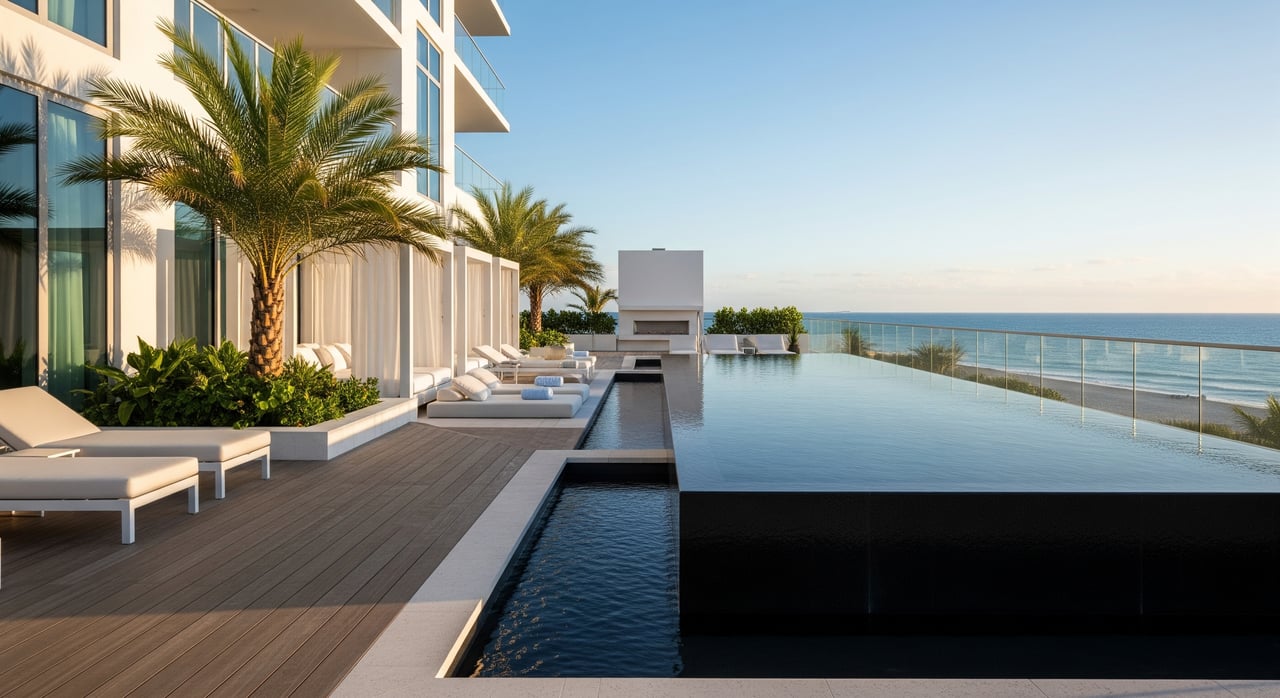
Bal Harbour buildings often deliver resort‑style pool decks, private beach areas, and integrated beach services such as chairs, cabanas, and attendants. Those perks create a seamless oceanfront lifestyle and can boost resale appeal to luxury and second‑home buyers. They also increase insurance, maintenance, and staffing costs.
Surfside offers ocean access across many buildings, but beach services vary. Some properties have simpler pool setups, while newer luxury developments may offer a full beach program similar to Bal Harbour. Ask how beach maintenance is handled and whether any shared costs or special assessments apply.
Fitness and spa options
Expect high‑spec fitness centers in many Bal Harbour towers, often with branded equipment, class programming, and spa areas with steam rooms or saunas. Some buildings include private clubs or affiliations that add exclusivity and cost.
In Surfside, you’ll find everything from modest gyms in classic mid‑rises to full wellness programs in newer luxury buildings. Tennis or pickleball courts are less common in mid‑rise condos and more typical in larger communities. If wellness is a priority, compare equipment, hours, class offerings, and any required membership fees.
Parking, storage, EV charging
Bal Harbour buildings typically provide covered or valet parking, with guest parking policies that vary by building and unit size. EV charging is increasingly common in newer or retrofitted properties. Storage lockers and bike rooms can be available, especially in larger towers.
Surfside properties vary more based on age. Older boutique buildings may have limited guest parking, smaller storage areas, and fewer EV charging stations unless recently upgraded. Verify how many owner spaces are included, whether spaces are deeded, and how guest parking is managed during peak season.
Building resilience and safety
Newer Bal Harbour luxury towers often include hurricane impact windows and doors, higher‑capacity generators, and robust flood and stormwater planning. That said, every building is different, and you should confirm the age, major system upgrades, and insurance coverage.
Surfside has a wider range of building ages and conditions. After the 2021 Champlain Towers South collapse, buyers in Surfside and similar markets pay close attention to structural inspections, reserve studies, and documented repairs. Treat engineering reports, reserve funding levels, and recent capital projects as top priorities in your review.
In‑unit finishes and features
Bal Harbour condos frequently feature large terraces, floor‑to‑ceiling glass, premium appliances, and smart home systems, especially in newer or resort‑style towers. These finishes attract luxury buyers and support resale value.
Surfside units range from classic floor plans with modest finishes to top‑tier fit‑outs in newer developments. If you’re comparing similar price points, look closely at appliance brands, HVAC age, balcony conditions, and smart features to understand the true value.
Pet, rental, and use rules
Policies vary widely and can shape both lifestyle and investment potential. Many Bal Harbour luxury buildings prioritize owner occupancy or longer leases to preserve building character. Short‑term rentals are often restricted.
Surfside policies are mixed. Some buildings allow shorter lease terms that appeal to investors, while others restrict transient lodging. Always confirm current municipal ordinances and the association’s bylaws, including minimum lease terms, rental caps, blackout periods, and pet rules.
Extra perks that add value
Some buildings in both areas offer private club memberships, on‑site dining or retail, housekeeping, in‑house maintenance, kids’ programs, and business centers. In Bal Harbour, these add‑ons are common in high‑end properties and may come with mandatory fees or memberships. In Surfside, you’ll see these features more selectively, especially in newer luxury projects.
How amenities affect cost and resale
More amenities usually mean higher monthly dues. Full staffing, extensive pool and beach services, and premium wellness facilities increase operating costs and reserve needs. When you compare buildings, look at what your fees include and how reserves are funded.
Resale value often follows desirability. Private beach access, ocean views, and full concierge services can widen your buyer pool, especially among luxury and international buyers. That said, deferred maintenance or unclear capital plans can offset amenity appeal and lead to discounts at resale.
Rental potential depends on rules and services. Buildings that allow shorter leases and offer hotel‑like services can support stronger short‑term performance. If rentals are limited or prohibited, you may see steadier owner‑occupancy and potentially stable values, but fewer income options.
Insurance and assessments also matter. Amenity‑heavy properties can face higher insurance premiums and specialized equipment costs, such as generators or elevator systems. Pool decks, facades, and beach maintenance can trigger large capital projects. Reviewing budgets, reserve studies, and association meeting minutes will help you gauge risk.
Buyer due diligence checklist
Documents to request
- Current budget, most recent audited financials, and the latest reserve study.
- Association rules and regulations, bylaws, and the certificate of insurance.
- Recent engineering and structural reports, facade and garage inspections, and building safety or recertification reports.
- History of special assessments, litigation records, and contracts for major services.
- Unit‑level data: interior upgrades, appliance and HVAC ages, balcony and window details.
- FEMA flood zone maps, elevation certificates if available, and flood insurance details.
- If rentals matter: proof of compliance with any required registrations or permits.
Questions to ask
- What is the monthly fee and what does it include?
- Any special assessments in the past 10 years or planned capital projects ahead?
- Are there pending lawsuits or unresolved code violations?
- What hurricane resilience features exist and what is the generator capacity?
- What are the rental rules, minimum lease terms, and frequency limits?
- How are parking spaces allocated and managed for guests?
- How are common costs allocated among owners?
- For beachfront buildings: how are beach maintenance costs handled?
Red flags to watch
- Underfunded reserves paired with an aging building.
- Recurrent special assessments or large litigation settlements.
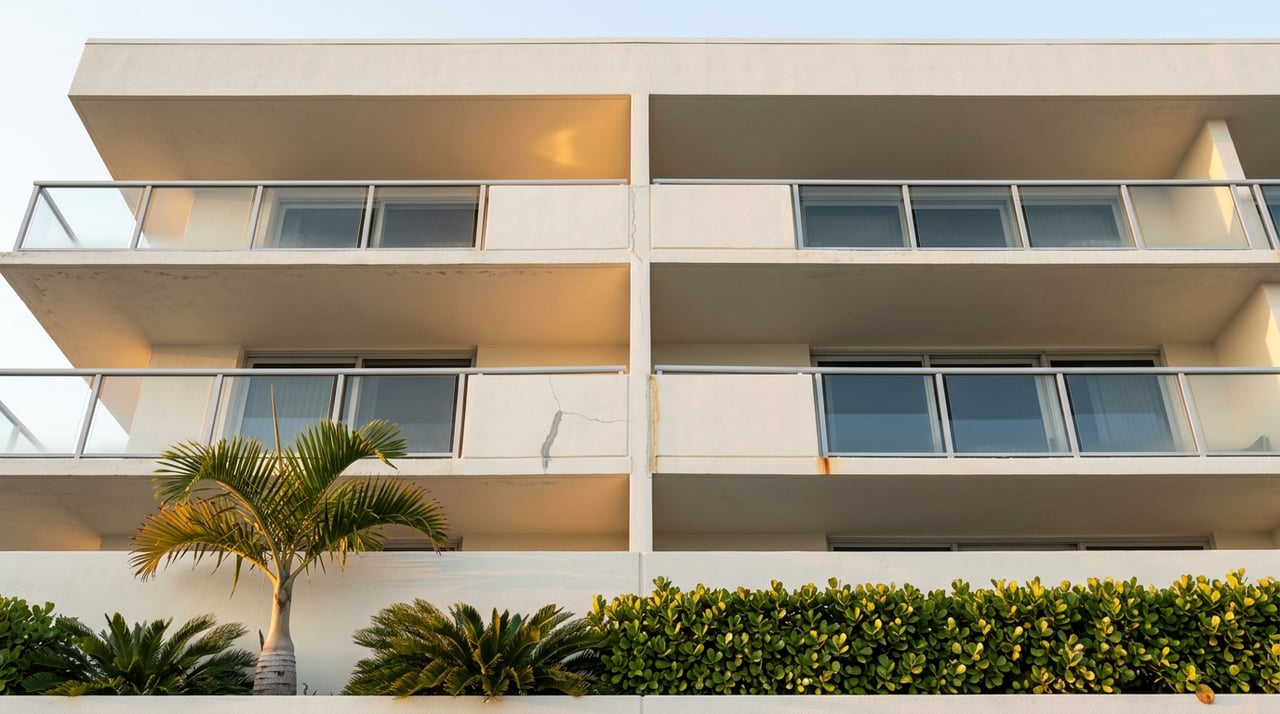
- Visible deferred maintenance in roofs, pool decks, or facades.
- Unclear timelines or budgets for structural remediation.
- Frequent changes or ambiguity in rental policies or local ordinances.
Which location fits you?
Choose Bal Harbour if you want a high‑service, resort‑style experience and are comfortable with the higher fees that come with it. These buildings tend to appeal to luxury buyers, second‑home owners, and those who value on‑site services and private beach programs. The tradeoff is higher operating costs and more complex amenities to maintain.
Choose Surfside if you value variety and want to target either a boutique building with simpler fees or a newer luxury project with top‑tier amenities. Because Surfside spans older, classic buildings and new luxury developments, you have more options to match your budget, lifestyle, and rental goals. In both locations, focus on building condition, reserves, and clear rules to protect your investment.
Ready to compare specific buildings, fees, and rules side by side? Reach out to schedule a consult with Rafael Szydlowski and get local insight tailored to your goals.
FAQs
What amenities are most common in Bal Harbour condos?
- Many Bal Harbour towers feature 24/7 concierge, valet, resort‑style pools, private beach services, upscale fitness centers, and robust hurricane and generator systems in newer buildings.
How do Surfside condo amenities typically differ from Bal Harbour?
- Surfside offers a wider range, from boutique mid‑rises with simpler amenities to newer luxury projects with full concierge, beach services, and high‑end fitness and spa programs.
How do condo amenities impact monthly fees in these areas?
- More staffing, beach services, and wellness facilities generally increase operating costs and reserves, which raises monthly condo fees compared with simpler buildings.
What should I review for building safety and structural health?
- Ask for engineering reports, reserve studies, recent meeting minutes, evidence of major repairs, and details on impact windows, generators, and flood mitigation.
Are short‑term rentals common in Bal Harbour and Surfside condos?
- Policies vary by building and municipality; many luxury towers limit short‑term rentals, while some Surfside buildings allow shorter lease terms. Always verify current rules.
Which location tends to offer better resale potential?
- Desirability often follows ocean views, private beach access, and full-service experiences; strong reserves and documented maintenance help resale in both locations.