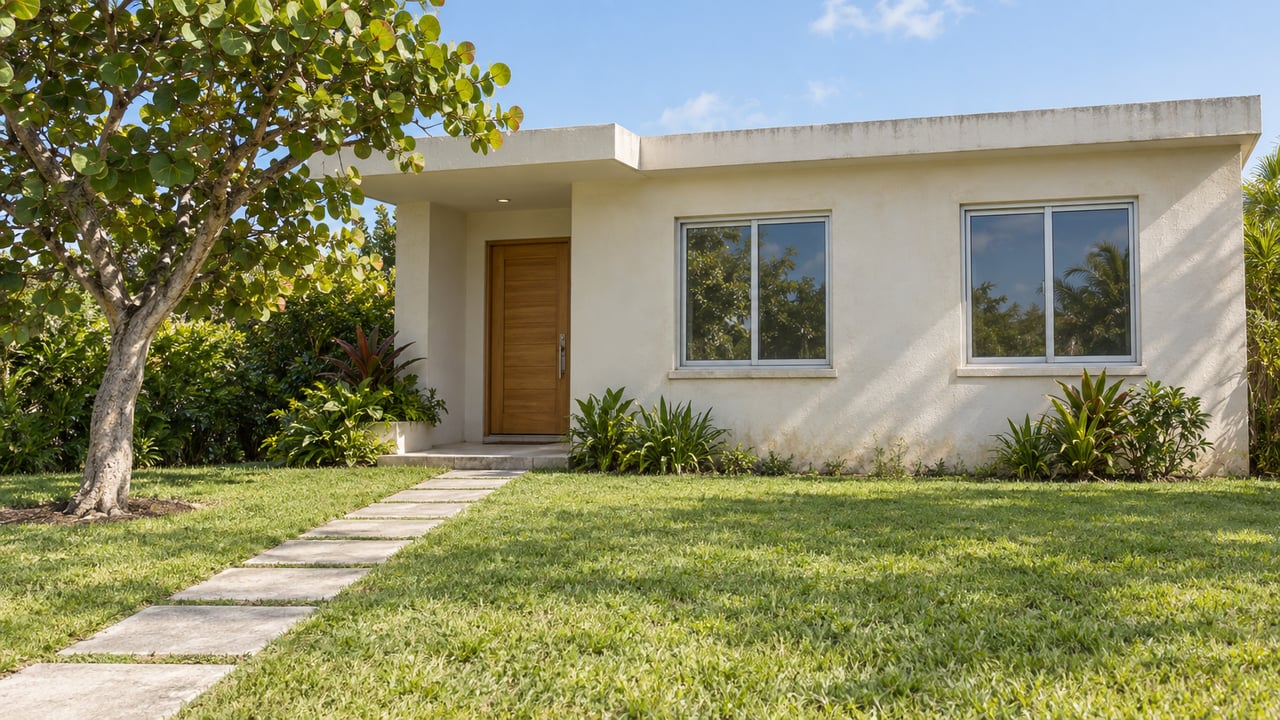
As of this summer, a house at 1231 101st Street had been sitting on the market for 399 days, asking $6.7 million. A few blocks away, comparable homes on the same island had been closing near $3,975,000, and they'd been doing it in about 68 days. Same zip code. Same island. Same general size and style of home. One property sat. The others sold in roughly two months, for millions less.
That gap is not a fluke. It's what happens when a seller prices the house and the market is actually pricing the land underneath it.
Two Islands, Two Different Products
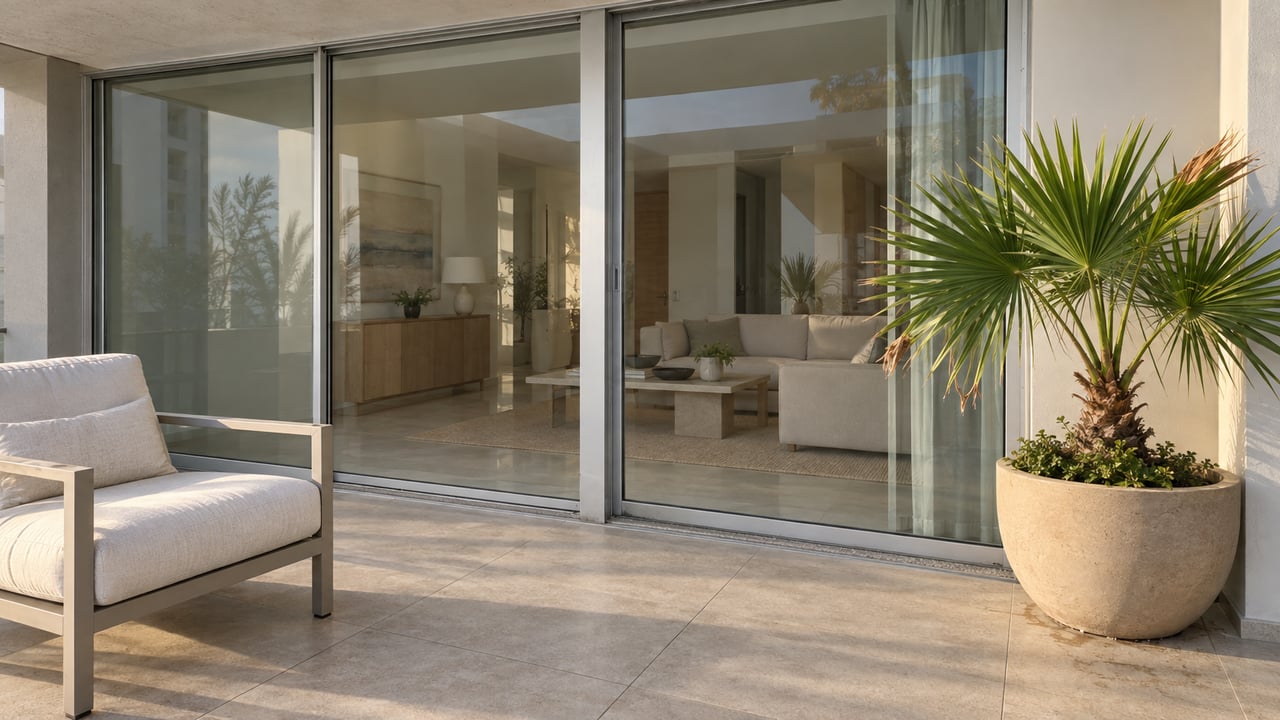
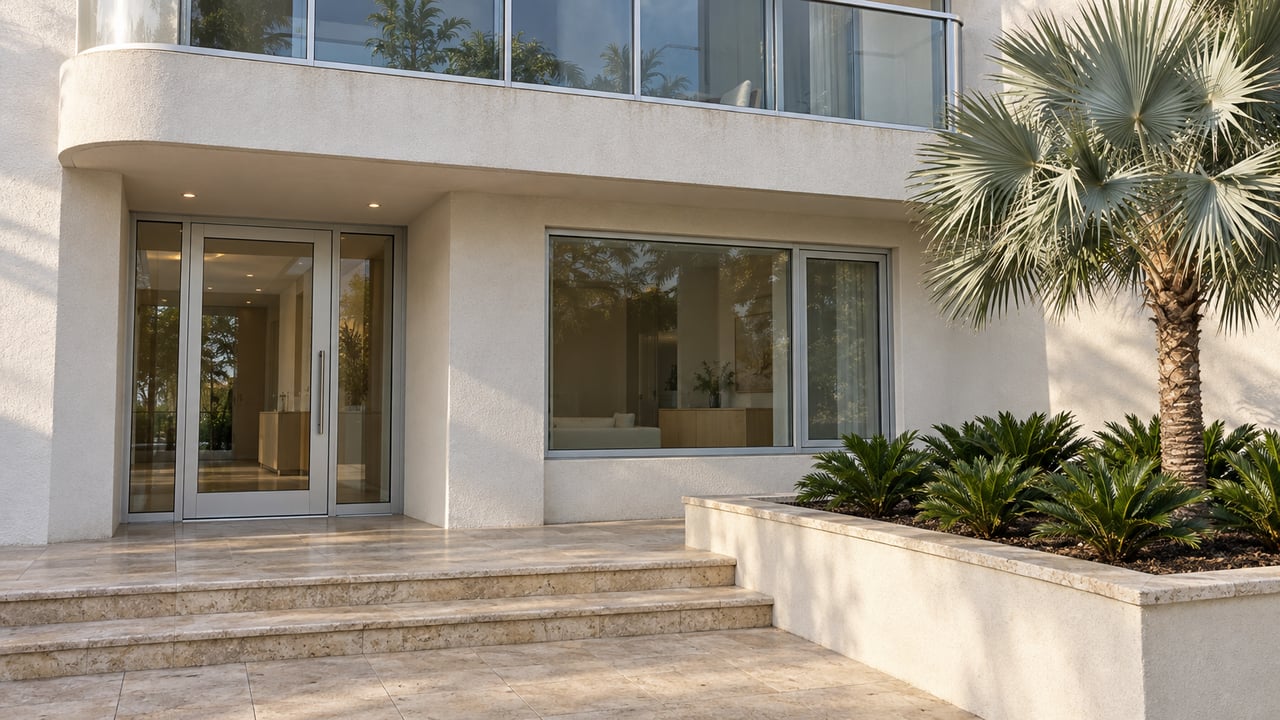
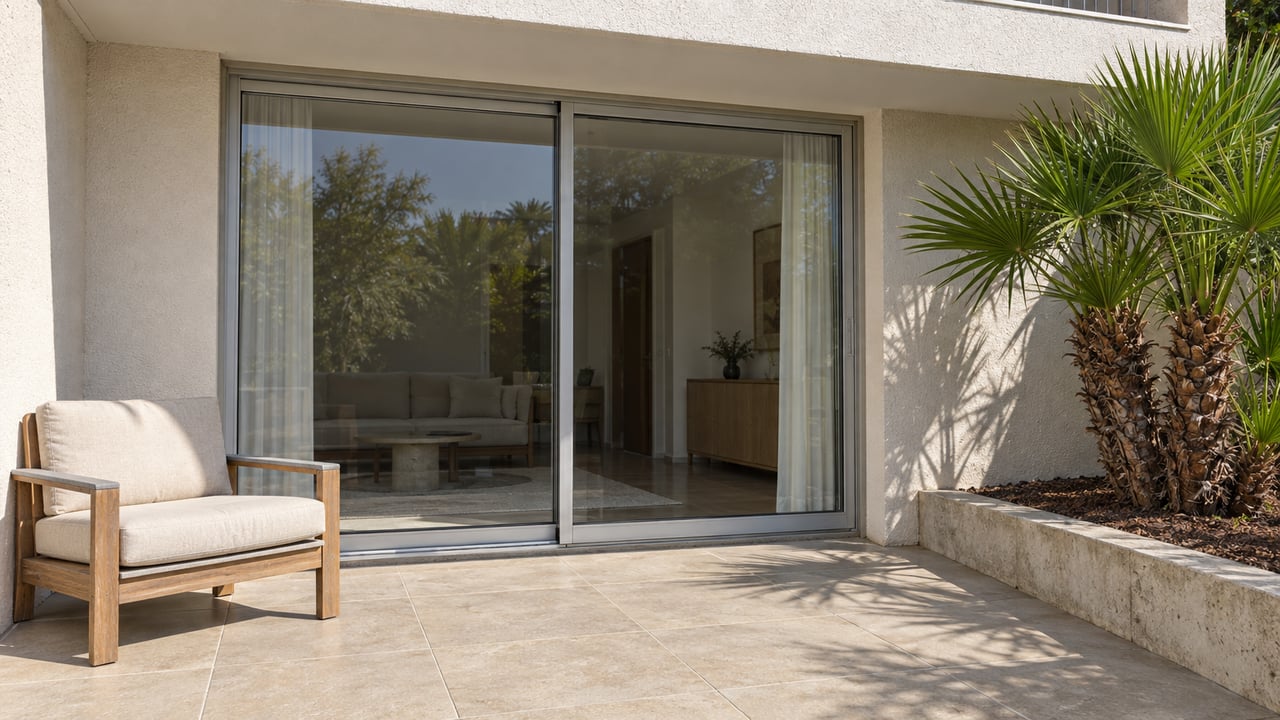
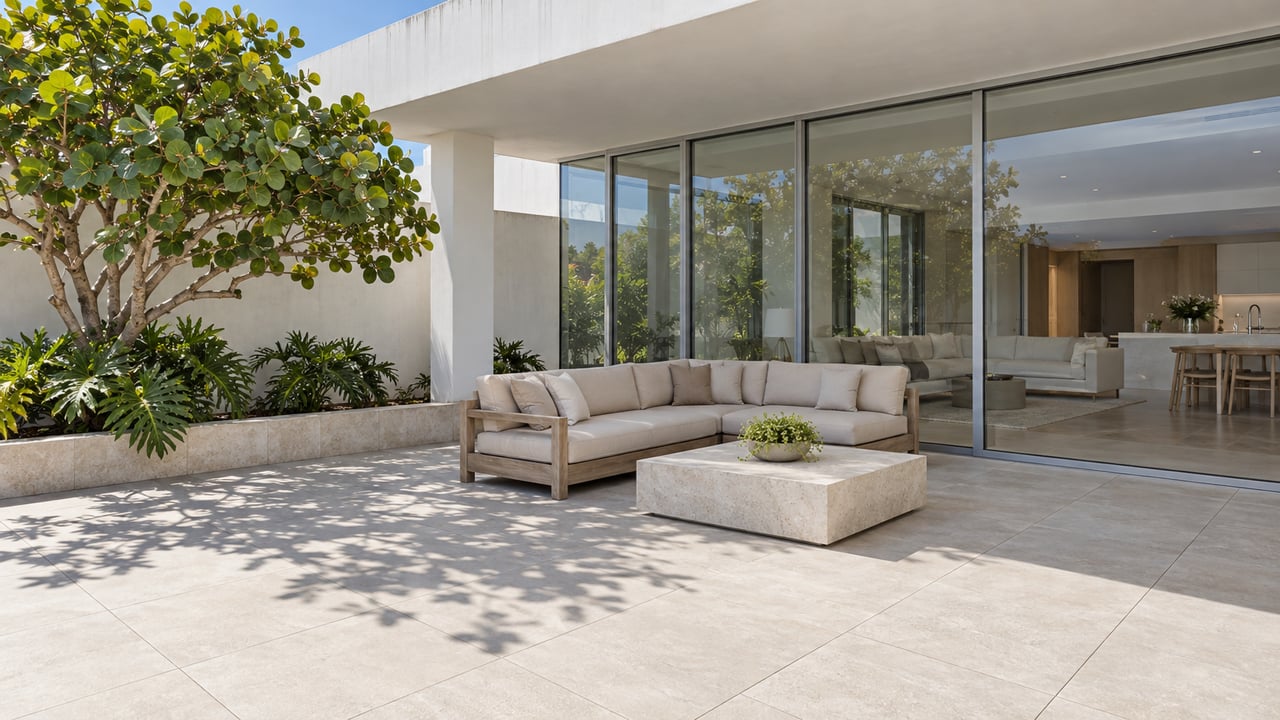
Bay Harbor Islands is really two markets stitched together by a single zip code. West Island is strictly residential, built out with single-family homes on quiet waterfront streets, a mix of Mediterranean-style two-story houses and mid-century bungalows. East Island carries the commercial energy, with Kane Concourse as its spine and something close to a dozen new condo projects either built or in the pipeline. More than 80 percent of the housing stock across both islands is condominiums.
That split matters because it means the single-family market on West Island isn't really competing with the condo towers going up on the other side of the causeway. It's a much smaller, much stranger product: a fixed number of waterfront lots, almost none of them coming onto the market, on an island where new single-family construction is essentially capped by geography rather than demand.
What You're Actually Buying Is the Dirt
The typical single-family home on Bay Harbor Islands was built in 1957. It is, on paper, a nearly 70-year-old house. But the sale price barely reflects the structure at all. In a typical single-family transaction here, the land itself is valued at roughly $2,578,000, while the structure sitting on it adds only about $444,000 to the total. Put another way, about 85 cents of every dollar a buyer spends is going toward the ground, not the building.
That ratio flips the usual homebuying math. In most single-family markets, a buyer is weighing renovation cost against resale value, judging whether a kitchen or a roof justifies the price. On West Island, the house is close to a rounding error. The real decision is whether the lot, the waterfront position, and the right to eventually build something new are worth the number on the contract. A 68-year-old house that needs full mechanical and structural updating is not a defect here so much as the expected condition of a teardown-grade lot with legacy square footage attached.
Zoning reinforces the scarcity on the buying side. Height restrictions cap buildings across the town, which keeps West Island from ever absorbing overflow density the way East Island has with its wave of new condo construction. The land that can hold a single-family home is not just limited by geography. It's protected by policy from ever becoming something denser.
Why the Land Almost Never Changes Hands
If the lot is the valuable thing, the next question is why so few of them trade. Florida's Save Our Homes amendment, part of the state constitution since 1992, caps how much a homesteaded property's assessed value can rise each year to the lesser of 3 percent or the change in the Consumer Price Index. For 2026, AppealDesk puts that cap at 2.7 percent. A buyer does not inherit the seller's capped assessment, while a long-term owner may be paying property tax on an assessed value that fell further behind market value every single year they stayed put.
On Bay Harbor Islands, where waterfront land has appreciated well beyond 3 percent a year in most stretches of the last decade, that gap between assessed value and market value can be substantial for anyone who has owned since the 2000s or earlier. Selling doesn't just mean giving up a house. It means giving up a tax position that took years to build.
The ownership data on the ground matches that incentive almost exactly. The median owner on Bay Harbor Islands has held their property for about six years, and close to a third of all parcels haven't changed hands in more than a decade. Roughly seven in ten Bay Harbor Islands homebuyers who do move are looking to stay within the same metro area rather than leave it entirely, which suggests the exits that do happen tend to be local moves, not departures from the market altogether. None of this reads like a market with reluctant sellers because of soft demand. It reads like a market where the tax code itself is rewarding people for doing nothing.
The Number on the Portal Depends on Which Four Houses Sold
None of this shows up cleanly in a median price, because there are so few single-family sales to measure in any given month that the number becomes noisy almost by definition.
| Source | Period | Reported figure |
|---|---|---|
| Movoto | August 2025 | $958,000 (listed) |
| Redfin | January 2026 | $621,000 (closed, down 18.8% year over year) |
| Homes.com | March 2026 | $980,000 (closed) |
Those three numbers, all describing the same small market within about seven months of each other, swing by more than $350,000. Some of that gap comes from methodology. Movoto's figure tracks listing prices, while Redfin and Homes.com track closed sales, and Homes.com's figure draws from a trailing 12-month window rather than a single month. But even accounting for that, Redfin's own January 2026 data shows only four single-family homes sold that month, down from eleven the year before. When the entire dataset behind a monthly median is four transactions, one $10 million waterfront teardown or one modest interior remodel can move the reported median by six figures in either direction. That's not really a market moving. It's a small sample doing what small samples do.
As of late September 2026, Bay Harbor Islands has 189 properties across condos and single-family homes listed for sale on the MLS, a mix that includes both product types and underscores how thin the single-family slice of that number really is. Across the broader barrier island corridor that includes Bay Harbor Islands, Bal Harbour, Sunny Isles Beach, Surfside, Miami Beach, Fisher Island, and Key Biscayne, single-family inventory fell 15 percent year over year in the first quarter of 2026, according to Corcoran Group data reported by The Real Deal. Bay Harbor Islands isn't broken out separately in that report, but the direction is consistent with what the local numbers already suggest: fewer sellers, thinner samples, and a median price that moves more because of who happened to sell than because of what the market actually did.
Back to 1231 101st Street
Which brings the story back to that listing on 101st Street. Since the start of 2023, not a single single-family home on Bay Harbor Islands has closed above its original asking price, and 94 percent of closings have landed below it. The number on a listing here functions less like a firm valuation and more like an opening position in a negotiation that both sides already expect to move.
Homes that get relisted after sitting too long at a stubborn price don't just eventually sell for less. They take far longer to get there. Relisted properties have averaged 686 days to close, more than three times the pace of homes that sell on their first listing. A house asking $6.7 million while comparable properties close near $3,975,000 in about two months isn't testing the market. It's priced as though the buyer is paying for a finished house, when every recent closing on the island says the buyer is pricing the land, discounting the aging structure, and walking away the moment the number stops making sense.
Quick Answers for Buyers and Sellers
Does a Save Our Homes tax cap transfer when a home is sold? No. According to the Palm Beach County Property Appraiser, the cap resets to full market assessed value the year after a sale. A buyer inherits none of the previous owner's capped assessment.
How can a buyer tell if a listing is priced for the land or the house? Look at recent lot sales and teardown-condition closings on the same street rather than at finished, renovated comps. On West Island, a home's age and condition matter far less to price than its lot size and waterfront position, and pricing that ignores that distinction is usually the listing sitting the longest.
If you're weighing a purchase or a sale on Bay Harbor Islands and want a read on what a specific lot and structure are actually worth in this market, not just what a portal's monthly average happens to say, Rafael Szydlowski can walk through the comps that matter for your address.
This article is general information, not legal, tax or financial advice. Consult a qualified professional about your situation.