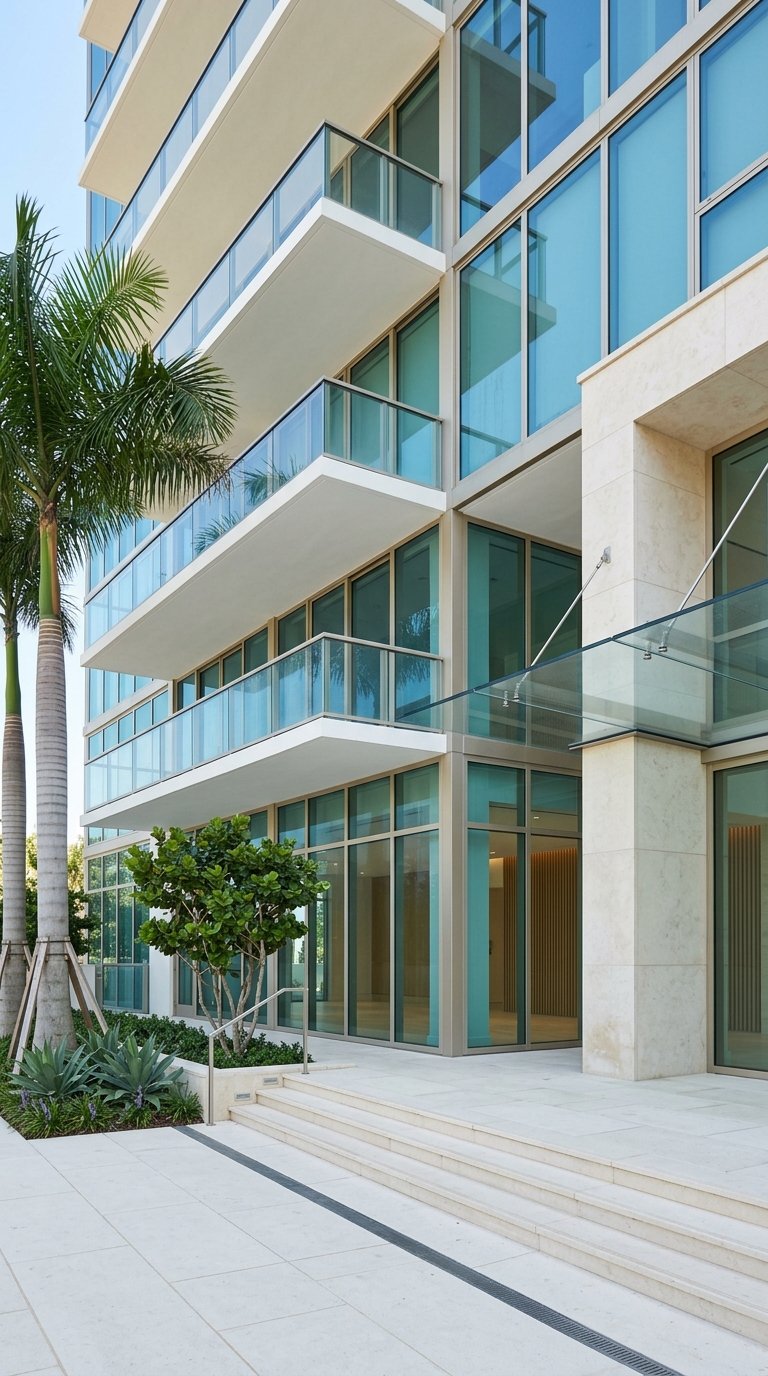
If you are looking at pre-construction luxury condos in Bal Harbour, you are not shopping a typical condo market. You are stepping into a very limited, high-value oceanfront niche where pricing, contract terms, disclosures, and carrying costs all deserve close attention. This guide will help you understand how Bal Harbour pre-construction works, what Florida law requires, and what to review before you commit. Let’s dive in.
Why Bal Harbour Is Different
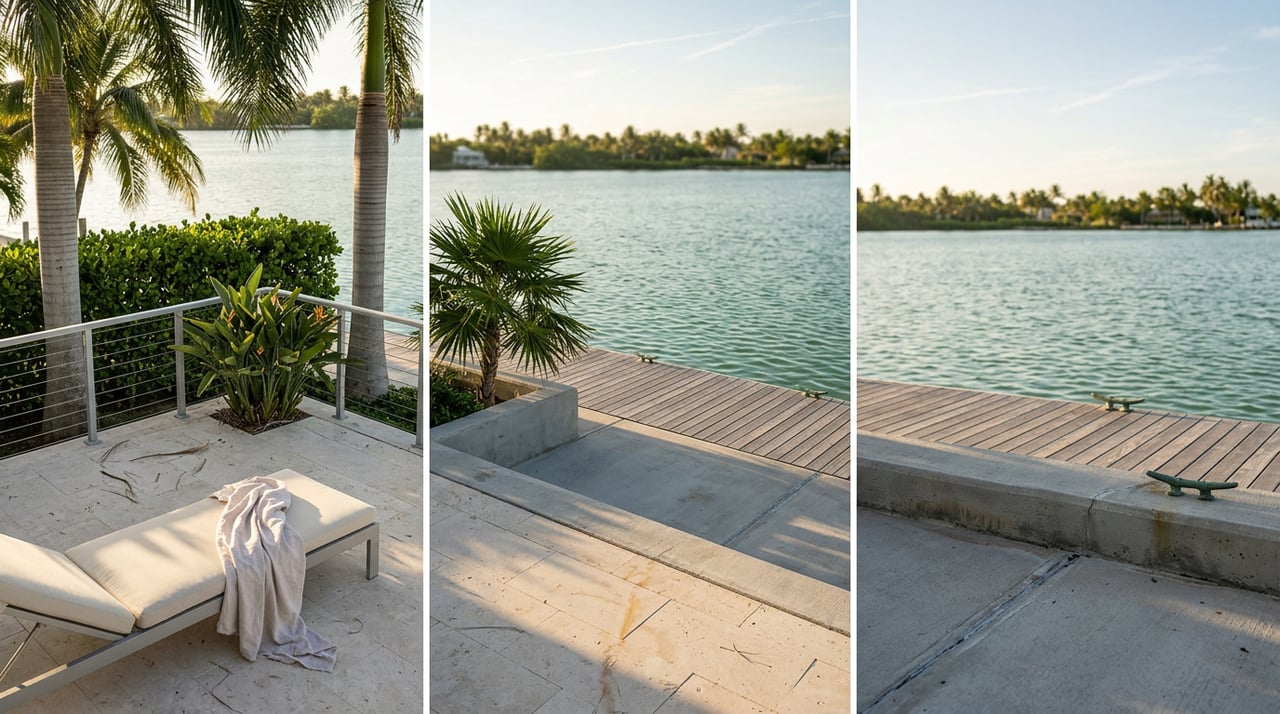
Bal Harbour Village is a compact oceanfront municipality of about one square mile in northern Miami-Dade County. Its small footprint, luxury residences, private-beach lifestyle, and easy access from Miami and Fort Lauderdale all shape a market with very limited supply.
That matters because pre-construction opportunities here are rare. In a place this small, a new luxury tower is not just another listing cycle. It can represent one of the few chances to buy brand-new oceanfront product in a market where existing inventory is often tightly held.
Current Pre-Construction Landscape
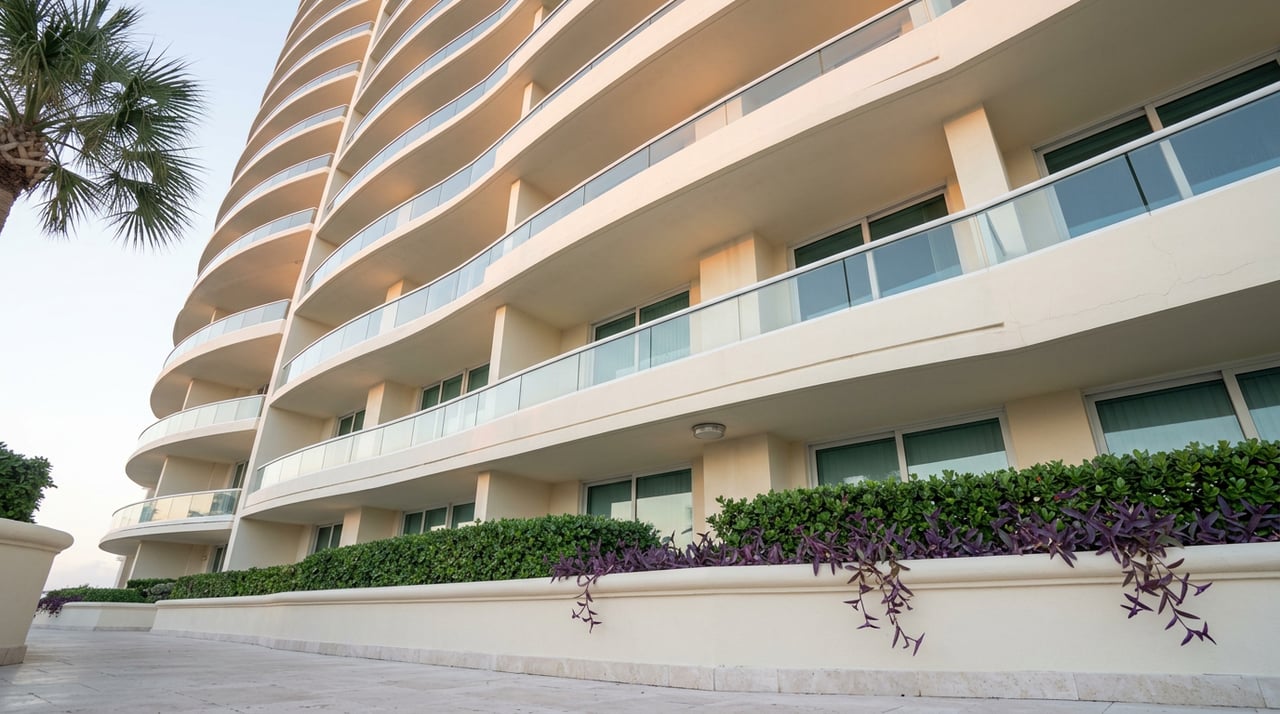
Rivage Bal Harbour is the clearest current example of new ultra-luxury inventory in the village. The project is under construction at 10245 Collins Avenue, and its materials describe residences with 3 to 8 bedrooms starting at $13 million.
Project materials also state that the site is the last beachfront property to be developed in Bal Harbour. Architect has reported that it is the first new condo in the village in more than a decade, which helps explain why buyer interest in this segment can be intense.
If you are comparing pre-construction with existing luxury inventory, Bal Harbour also includes established oceanfront options such as Oceana Bal Harbour and the St. Regis Bal Harbour enclave. Those are built and operating properties, which creates a very different buying process from a delivery-stage project.
Pre-Construction vs. Resale in Bal Harbour
A new development purchase gives you the appeal of brand-new construction, current design, and the latest amenity program. It may also give you more time before closing, which can be useful if you are planning ahead for a move, a second home, or a long-range investment strategy.
A resale purchase gives you something equally valuable: an existing building, a functioning association, and a unit you can evaluate in real time. You can review the actual finishes, current operations, and the present monthly carrying costs instead of relying on projections.
In Bal Harbour, that tradeoff matters. New construction can offer fresh product and strong lifestyle appeal, while resale may offer more immediate clarity on what you are buying and what it costs to own.
How the Reservation Process Works in Florida
If you reserve a pre-construction condo in Florida, your initial deposit is not supposed to disappear into the developer’s operating funds. Under Florida law, reservation deposits must be placed in escrow, and a receipt must be available to you as the prospective purchaser.
Just as important, a reservation deposit can be refunded in full if you make a written request. It only becomes subject to the purchase contract after you sign the agreement.
That gives you an early layer of protection, but it does not remove the need for careful review. Once you move from reservation to contract, the terms become far more important.
What Happens at Contract Stage
If a developer contracts to sell a condominium before construction is substantially complete, Florida law requires up to 10 percent of the sale price to be held in escrow. Additional pre-closing payments also receive protection in a special escrow account.
Those extra funds may be used for construction only if the contract permits that use and construction has already begun. If the developer does not follow the escrow rules, the buyer may void the contract and recover deposits with interest.
Florida law also provides a cancellation window tied to developer disclosures. After you receive the required documents, the contract is generally voidable for 15 days, and materially adverse amendments can trigger another 15-day cancellation period.
What to Review in the Offering Package
For residential condominiums with more than 20 units, the developer must file a prospectus or offering circular before entering into an enforceable contract. That package must be provided to each buyer, along with a separate FAQ page and financial information.
This material is not just paperwork. It is where many of the most important economic and lifestyle details appear, including voting rights, leasing restrictions, recreation or club fees, budgeted assessments, and whether the association has material litigation exposure.
If the condo is being sold before completion, the developer must also make complete plans and specifications available for inspection. Florida law requires sales brochures to warn buyers not to rely on oral representations, and project legal disclosures may go even further by stating that renderings, finishes, fixtures, views, and amenities are conceptual and may change.
Key Items to Check Closely
Before you sign, review these points line by line:
- Estimated completion timing
- Unit mix and floor plans
- What is included in the base price
- Which features are upgrades or optional packages
- Any design-package or furniture-package costs
- View language and whether views are guaranteed
- Leasing restrictions
- Club or recreation fees
- Phase-development language
- Any leased or shared facilities that may add monthly costs
In a luxury project, small wording differences can have major financial impact. The more expensive the purchase, the more important it is to understand exactly what is included.
Why Included Features Matter So Much
Bal Harbour pre-construction is often marketed as a full lifestyle purchase, not just a residence. Rivage’s current materials advertise private-elevator entry, multiple chef’s-kitchen packages, custom millwork, Sub-Zero and Wolf appliances, Dornbracht fixtures, marble and wood finishes, and services such as concierge, butler support, housekeeping, valet, and a house car.
That kind of presentation is part of the appeal of new ultra-luxury development. At the same time, legal disclosures may state that prices can change, optional design and furniture packages cost extra, and no buyer should rely on projections of future profit, appreciation, or rental income.
For you, the takeaway is simple: verify what is standard, what is optional, and what remains subject to change. Marketing can help you understand the vision, but the contract package defines the actual deal.
Monthly Costs Deserve a Full Analysis
In Bal Harbour, the purchase price is only part of the ownership picture. You should also model the monthly carrying cost, reserve funding structure, and the potential for future assessments.
This is especially relevant when comparing a new tower with a resale building. A new project may have one cost profile at launch, while an older building may have a different set of reserve obligations, capital needs, and disclosure requirements.
Florida Reserve Rules and Resale Review
Florida law now ties many resale transactions to building-condition information. For resale contracts entered into after December 31, 2024, buyers may need a current milestone-inspection summary and, when applicable, the association’s most recent structural integrity reserve study before closing.
For older condominium buildings that are three stories or higher, milestone inspections apply at age 30, or earlier in some saltwater-adjacent situations. Associations under unit-owner control that existed on or before July 1, 2022 must have a structural integrity reserve study completed by December 31, 2025.
The required reserve items can include major components such as the roof, structure, fireproofing and fire protection, plumbing, electrical systems, waterproofing and exterior painting, windows, and exterior doors, along with other high-cost items above the statutory threshold. Reserve needs may be funded through regular assessments, special assessments, lines of credit, or loans, subject to Florida’s statutory rules.
How to Compare New and Existing Buildings
When you compare pre-construction with resale in Bal Harbour, focus on the total ownership picture rather than the headline price alone. A brand-new tower may offer lower near-term uncertainty on physical condition, while a resale building may offer more immediate transparency on actual operations and unit condition.
A smart side-by-side comparison should include:
- Purchase price
- Deposit schedule
- Estimated closing timeline
- Monthly maintenance costs
- Reserve funding obligations
- Club or amenity fees
- Likelihood of future special assessments
- Leasing restrictions
- What finishes and services are truly included
This type of review is especially important for relocating, international, and long-distance buyers who may not be on the ground to inspect every detail in person.
Why Independent Review Is Worth It
Pre-construction contracts can be complex even for experienced buyers. In a market like Bal Harbour, where inventory is limited and price points are high, document review is not a formality. It is part of protecting your position.
Because the contract, prospectus, escrow rules, reserve disclosures, and finish schedules all affect the economics of the purchase, it is wise to have your own attorney review the legal documents and your own financial advisor test the carrying-cost assumptions before you commit. That extra layer of review can help you make a clear decision based on facts, not just presentation.
Working With a Local Luxury Advisor
Bal Harbour pre-construction requires more than general condo knowledge. You need clear guidance on how a new-development offering compares with existing oceanfront inventory, what the contract language means in practical terms, and how the monthly ownership picture may look after closing.
That is where experienced local representation can make the process smoother. With senior-led guidance, strong market knowledge across Bal Harbour and neighboring coastal communities, and experience helping local, relocating, and international buyers, you can move forward with more confidence and better context.
If you are weighing a pre-construction opportunity in Bal Harbour or comparing it with resale options nearby, Rafael Szydlowski can help you review the market, narrow the right options, and navigate the process with a steady, informed approach.
FAQs
What makes Bal Harbour pre-construction condos unique?
- Bal Harbour is a very small oceanfront municipality with scarce new supply, so pre-construction opportunities tend to be limited, highly specialized, and positioned at the ultra-luxury end of the market.
What happens to a reservation deposit for a Florida pre-construction condo?
- Florida law requires reservation deposits to be placed in escrow, and the deposit can be refunded in full on written request until it becomes subject to the signed purchase contract.
What should buyers review in a Bal Harbour condo offering package?
- You should review the prospectus or offering circular, the FAQ page, financial information, plans and specifications, leasing restrictions, fees, assessments, included finishes, upgrade costs, and any language about views, shared facilities, or phased development.
What is the cancellation period for a Florida pre-construction condo contract?
- After receiving the required developer documents, a buyer generally has a 15-day period during which the contract is voidable, and materially adverse amendments can create another 15-day cancellation window.
How should buyers compare Bal Harbour pre-construction with resale condos?
- Compare the full ownership picture, including purchase price, deposit structure, monthly costs, reserve funding, possible special assessments, leasing limits, and the difference between conceptual marketing materials and an existing building you can evaluate today.
Why do reserve studies matter for Bal Harbour condo buyers?
- Reserve studies matter because Florida law requires funding for major building components in many cases, and those costs can affect monthly expenses, long-term budgeting, and the risk of future special assessments, especially in older buildings.